
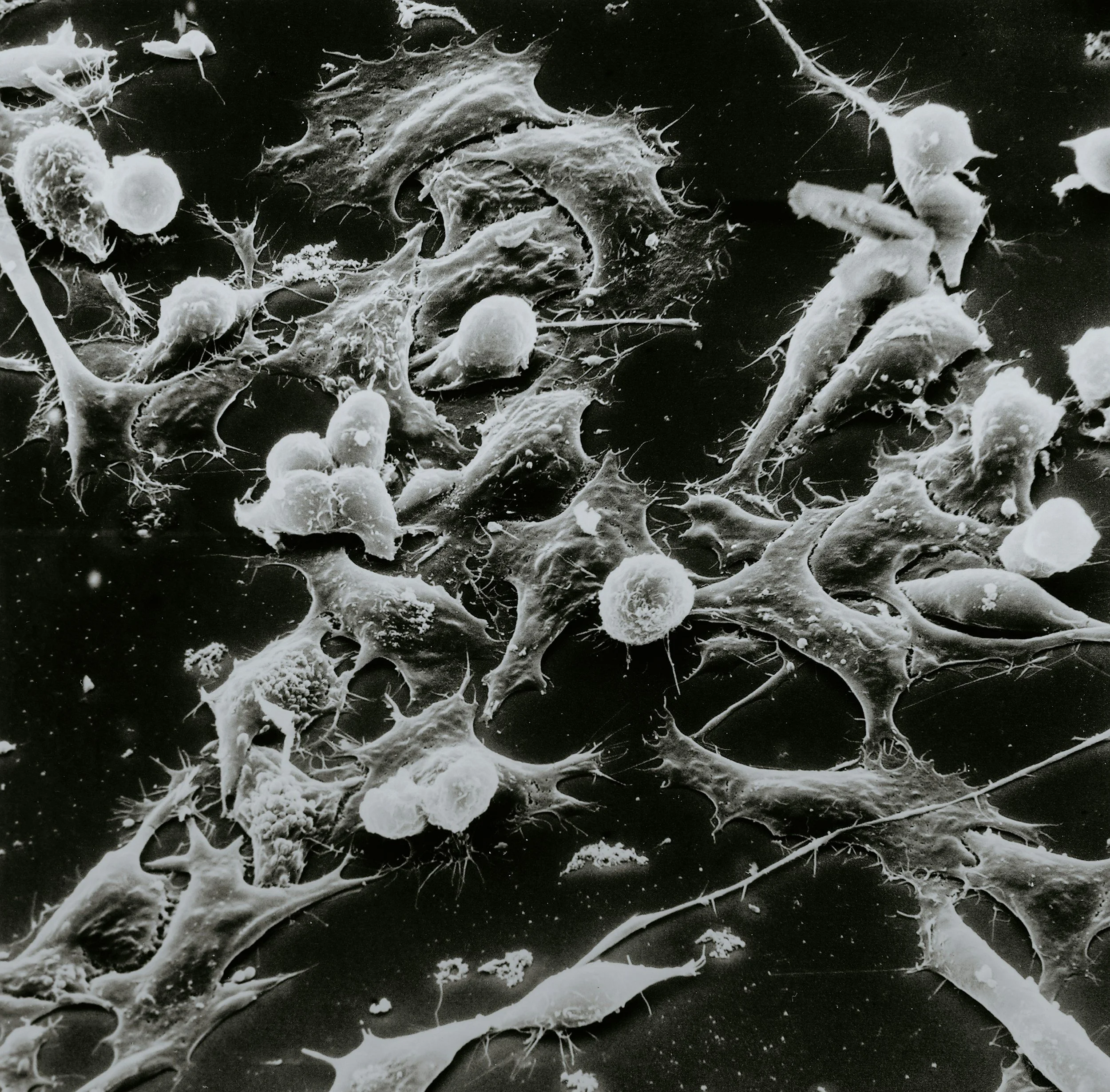
Cancer
Supporting Resilience, Healing, and Whole-Body Recovery
How HBOT Supports Cancer Treatment and Recovery

Cancer and its treatments place significant stress on the body. Tumors, radiation, chemotherapy, and surgery can impair oxygen delivery, damage healthy tissue, and weaken the immune system. Optimal recovery and treatment tolerance depend on the body’s ability to repair, regenerate, and maintain cellular health.
HBOT is used internationally in hospital and outpatient settings as a supportive therapy for individuals undergoing or recovering from cancer treatment, particularly where tissue damage, inflammation, or impaired healing are present.
HBOT supports several key recovery and support mechanisms:
Improved oxygenation of hypoxic (low-oxygen) tissues
Enhanced tissue repair and regeneration following radiation or surgery
Reduced inflammation and treatment-related tissue injury
Support for immune system function
Improved tolerance and recovery from cancer treatments
Support for healing in radiation-injured or slow-healing tissues
The result? Enhanced tissue healing, reduced treatment-related complications, and improved recovery capacity.

Key Recovery Benefits
-

Improved Healing After Cancer Treatment
HBOT increases oxygen delivery to damaged tissues, supporting repair in areas affected by radiation, surgery, or inflammation.
- Supports healing in radiation-affected and slow-healing tissues
- Improves blood flow and tissue oxygenation
- Helps strengthen fragile or compromised areas
-

Reduced Treatment-Related Side Effects
By supporting cellular repair and reducing inflammation, HBOT may help ease ongoing symptoms after cancer treatment.
- May reduce pain, swelling, and tissue irritation
- Supports healing of radiation-related tissue injury
- Helps improve comfort in previously treated areas
-

Better Recovery and Treatment Tolerance
Improved oxygen availability helps the body recover more effectively and tolerate treatment demands.
- Supports recovery between and after treatments
- May improve energy levels and physical resilience
- Helps patients return to daily activities more comfortably
What the research says.
-
https://link.springer.com/article/10.1186/s13014-025-02680-1
This systematic review examined 17 studies involving 640 patients with head and neck cancer who received HBOT for late radiation tissue damage (e.g., osteoradionecrosis, impaired wound healing). Most studies (14/17) reported positive outcomes, including significant improvements in symptoms and healing measures, suggesting HBOT may support recovery from long-term radiation injury in these patients.
-
https://pubmed.ncbi.nlm.nih.gov/40142196/
This retrospective analysis of patients treated with HBOT (median 27 sessions) found no significant association between HBOT and increased cancer recurrence, metastasis, or mortality, indicating that HBOT appears safe when used as an adjunct for managing treatment complications in patients with solid tumors.
-
https://jamanetwork.com/journals/jamaoncology/fullarticle/2814857
In this clinical trial of 189 women with late local toxic effects after breast radiation, patients who completed HBOT showed significant reductions in fibrosis and pain compared with controls, suggesting HBOT may help ease persistent tissue changes and discomfort following radiotherapy.
-
https://pubmed.ncbi.nlm.nih.gov/36203216/
This systematic review analysed multiple studies on women treated with radiotherapy for gynaecological cancers who later developed chronic tissue damage such as proctitis, cystitis, and wound complications. Most of the included studies reported improvements in symptoms and better patient-reported outcomes following HBOT. The evidence suggests HBOT may be effective in reducing treatment-related late toxicities in these patients by enhancing oxygenation and supporting tissue repair.
Typical Surgery Protocols
Pre-surgical HBOT
3 - 5 sessions prior to surgery to help improve tissue oxygenation, circulation, and cellular readiness—particularly in areas with compromised blood flow or prior radiation exposure.
Post-surgical HBOT
5- 20 sessions, typically delivered as close together as possible. These sessions aim to support wound healing, reduce inflammation, assist in infection management, and promote recovery of stressed or healing tissues.
HBOT is always provided in coordination with the patient’s surgical and medical team and does not replace standard surgical care.