

Injuries & Wounds
Supporting healing, restoring function and decreasing time to recovery.
How HBOT Supports Injury & Wound Recovery
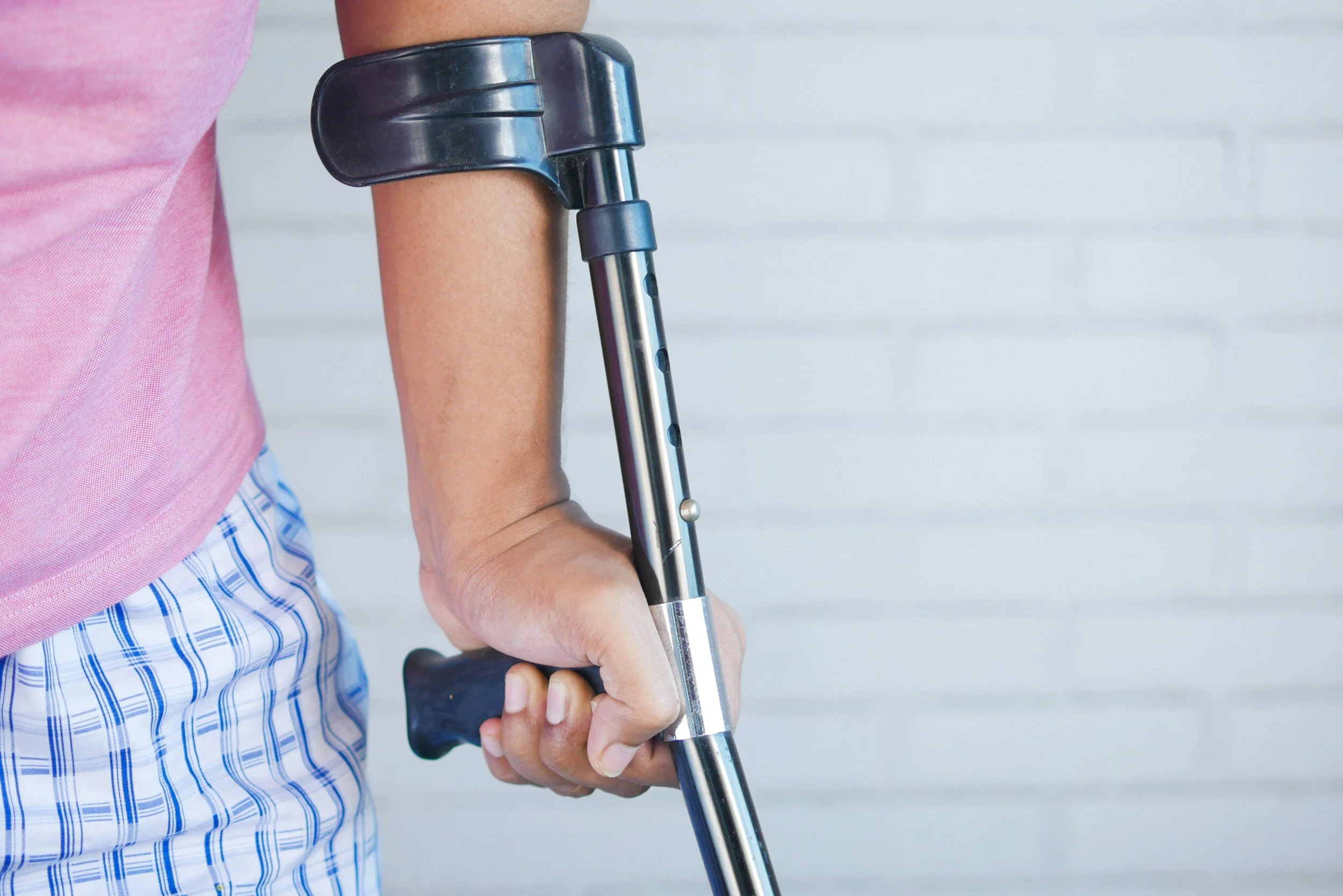
Injuries can significantly disrupt the body’s normal healing processes. Damage to skin, muscle, and underlying tissues often leads to swelling, inflammation, and reduced oxygen supply at the injury site — all of which can slow recovery and increase the risk of complications.
Hyperbaric Oxygen Therapy (HBOT) is an evidence-based supportive therapy designed to enhance the body’s natural repair mechanisms. By delivering high concentrations of oxygen under increased atmospheric pressure, HBOT improves oxygen availability in injured tissues, supporting more efficient and effective healing.
HBOT is widely used in both hospital and outpatient settings to assist recovery from acute and complex injuries, particularly where wounds are deep, traumatic, or slow to heal.
HBOT may support recovery through:
Promoting faster tissue repair
Reducing inflammation and tissue swelling
Supporting healthy blood vessel formation
Enhancing immune function
Assisting recovery in traumatic or complicated wounds
Helping minimise long-term tissue damage
The result? Faster recovery times, lower reinjury risk, and reduced physical discomfort.
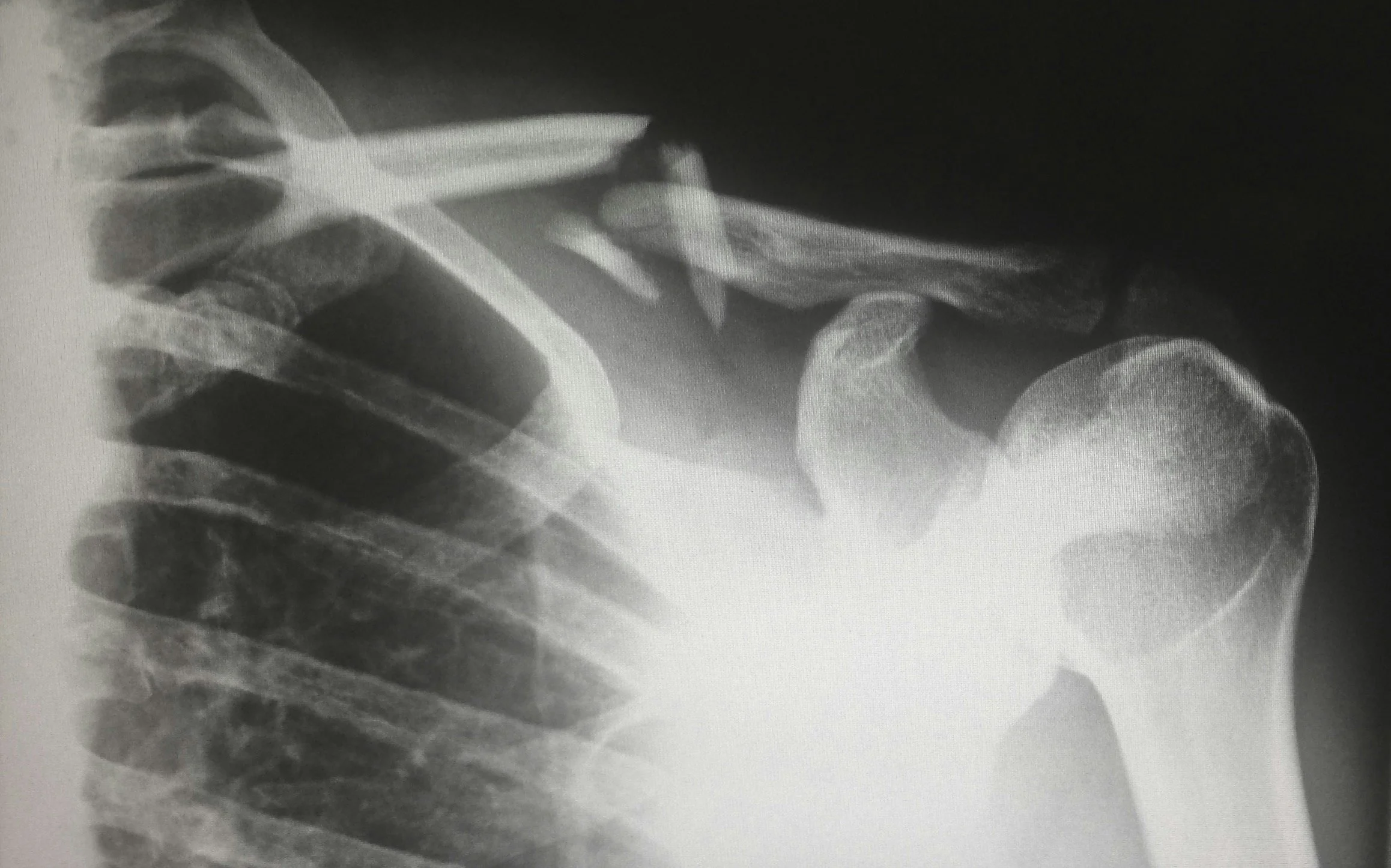
Key Recovery Benefits
-

Faster Tissue Repair & Healing
Increases oxygen delivery to injured tissues by up to 10–15 times normal levels under pressure
Stimulates collagen production and fibroblast activity essential for wound closure
Promotes formation of new blood vessels (angiogenesis) to restore circulation
Clinical studies show significantly improved healing rates in complex and traumatic wounds when HBOT is added to standard care
-
Improved Outcomes in Slow-Healing Injuries
Research in chronic and high-risk wounds demonstrates higher rates of complete healing compared with standard treatment alone
Studies have shown reductions in major amputation rates in severe limb injuries when HBOT is included in care plans
Particularly beneficial where tissue oxygenation is compromised
-

Lower Wound Infection Risk
Improves white blood cell function and bacterial killing capacity
Increases oxygen-dependent immune mechanisms critical for fighting infection
Used internationally as an adjunct therapy in managing high-risk or contaminated wounds
-

Reduced Inflammation and Swelling
Helps modulate inflammatory cytokines involved in prolonged swelling
Associated with measurable reductions in oedema in acute traumatic injuries
Supports faster transition from inflammatory phase to active tissue repair
-
https://journals.lww.com/aswcjournal/fulltext/2023/06000/hyperbaric_oxygen_therapy_for_nonhealing_wounds_a.5.aspx
Retrospective study of 774 wounds treated with HBOT showed that 61% healed completely and 22.9% partially healed, with significant reductions in wound size and improved quality of life outcomes.
-
https://link.springer.com/article/10.1007/s00068-023-02426-2
This systematic review found significant improvements in wound healing in traumatic soft tissue injuries, with complete wound closure rates as high as 94% vs. 56% in control groups in some studies.
-
https://pubmed.ncbi.nlm.nih.gov/28653760/
Clinical data demonstrate reduced inflammatory cytokine levels and tissue oedema in acute injury patients receiving HBOT, supporting its role in shortening the inflammatory phase of healing.
-
https://jamanetwork.com/journals/jamasurgery/fullarticle/394467
Review of 57 studies covering acute and chronic wounds. Evidence suggests HBOT reduces wound size and increases healing rates when added to standard care, especially for diabetic wounds and some non-diabetic wounds. However, research quality varies and more high-quality trials are needed.
What the research says.
Typical Injury & Wound Protocols
Acute Injury Phase
5–10 sessions
Started as soon as possible after injury
Aims to reduce swelling, improve oxygen delivery, and limit tissue damage
Recovery Phase
10–30 sessions depending on severity
Usually delivered daily or close together
Supports tissue repair, circulation, and infection control
Complex or Slow-Healing Wounds
May require extended treatment courses
Used alongside comprehensive wound care
Individualised based on clinical progress
HBOT is provided as an adjunct to standard medical care and coordinated with the patient’s healthcare team.

What our clients think…