
HBOT and Muscle Recovery: Can Oxygen Speed Up Your Gains?
Hard training breaks muscle down. Recovery is where the gains happen. So the speed and quality of that recovery how well you sleep, what you eat, how well your cells are oxygenated determines how much of the work you put in actually translates into progress.
Hyperbaric oxygen therapy (HBOT) is increasingly used by elite athletes, sports medicine practitioners, and performance-focused individuals as a tool to accelerate that recovery process. At OxyPlus, our HBOT clinic in Newcastle, we work with clients ranging from competitive athletes to regular gym-goers looking to optimise recovery. Here's what the research actually shows.
What Happens to Muscle During and After Hard Exercise?
Intense exercise, particularly resistance training, HIIT, or endurance work, causes microscopic damage to muscle fibres. This triggers an inflammatory response, fluid accumulation, and oxidative stress. It's the process behind delayed onset muscle soreness (DOMS), that familiar ache that peaks 24–72 hours after a tough session.
The rate at which your body clears this damage and rebuilds stronger tissue depends on one critical factor at the cellular level: oxygen. Muscle repair is an oxygen-dependent process. New protein synthesis, mitochondrial recovery, and the clearance of metabolic waste products all require adequate oxygen delivery to the working tissue.
When blood flow is compromised after intense exercise, as it often is in micro-damaged tissue, oxygen delivery falls short precisely when it's needed most.

What the Research Shows
The evidence base for HBOT in sports recovery has strengthened significantly in recent years.
A 2025 meta-analysis of 10 studies covering 299 subjects confirmed that HBOT statistically significantly accelerated recovery from exercise-induced muscle injury (P<.0001). The results held across both recreational exercisers and elite athletes.
A prospective, randomised, double-blind trial enrolled 41 athletes with exercise-related muscular injuries. After 10 sessions of HBOT, the treatment group showed prominent reductions in creatine phosphokinase (CK), glutamic oxaloacetate transaminase (GOT), and myoglobin, key blood markers of muscle damage, compared to controls. Lower CK and myoglobin levels indicate less ongoing muscle breakdown and faster tissue repair.
A 2024 study on elite youth football players found that HBOT produced significantly lower Hooper Index scores, a validated measure of athlete wellbeing, at one hour post-session compared to controls.
A 2025 systematic review and meta-analysis found that muscle soreness was significantly reduced with HBOT at atmospheric pressure above 2.0 ATA with 100-minute sessions. This is an important caveat: the benefits are most clearly demonstrated at clinical pressures and session lengths, not in low-pressure home chambers.
Research has also found that HBOT showed improvement in maximal oxygen uptake (VO2 max) and mitochondrial respiration in middle-aged athletes, suggesting HBOT may improve aerobic capacity.
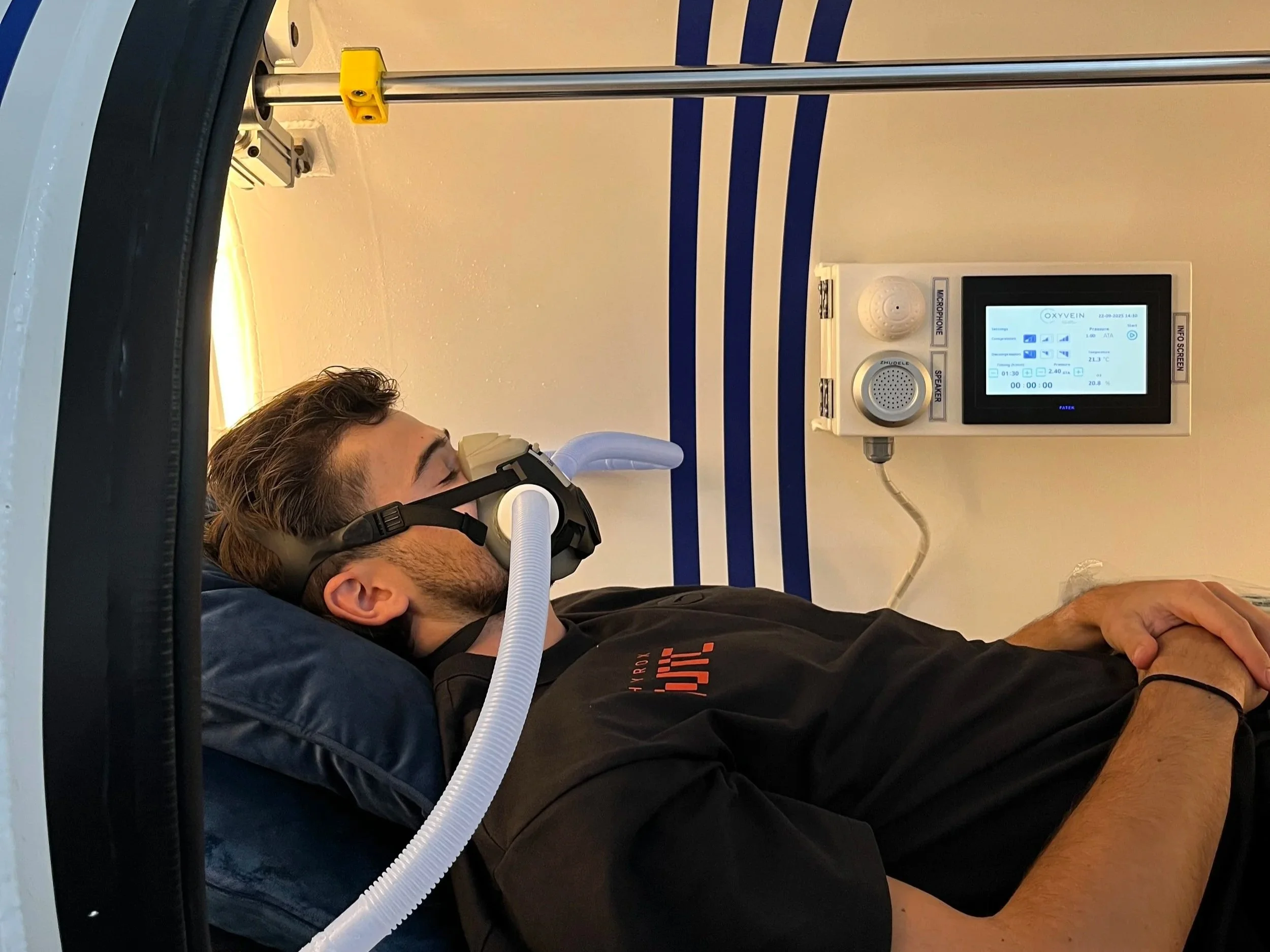
How HBOT Supports Muscle Recovery: The Mechanisms
Oxygen delivery to damaged tissue.
HBOT dissolves oxygen directly into blood plasma, bypassing the need for red blood cells to carry it. This means oxygen reaches micro-damaged, poorly perfused muscle tissue that normal circulation struggles to supply, accelerating every aspect of the repair process.
Reduced inflammation and swelling.
HBOT causes mild vasoconstriction of healthy vessels while maintaining oxygen supply to damaged areas, reducing post-exercise swelling and the inflammatory cascade that drives DOMS, often within the first few sessions.
Faster clearance of muscle damage markers.
The reduction in CK, GOT, and myoglobin seen in clinical trials reflects HBOT's ability to speed up the clearance of the byproducts of muscle breakdown, the biological equivalent of clearing the building site faster so rebuilding can begin.
Mitochondrial recovery and biogenesis.
HBOT accelerates satellite cell proliferation and myofiber maturation, the cellular processes responsible for rebuilding and strengthening muscle fibres after damage. Satellite cells are the muscle's stem cells; activating them faster means faster, more complete recovery.
Improved motor unit function.
During exercise, HBOT can increase the synchronisation and firing rates of motor units, improving the activity of neurons so that motor units can maintain a stable activation state during high-intensity exercise, reducing peripheral fatigue.
Who Is It For?
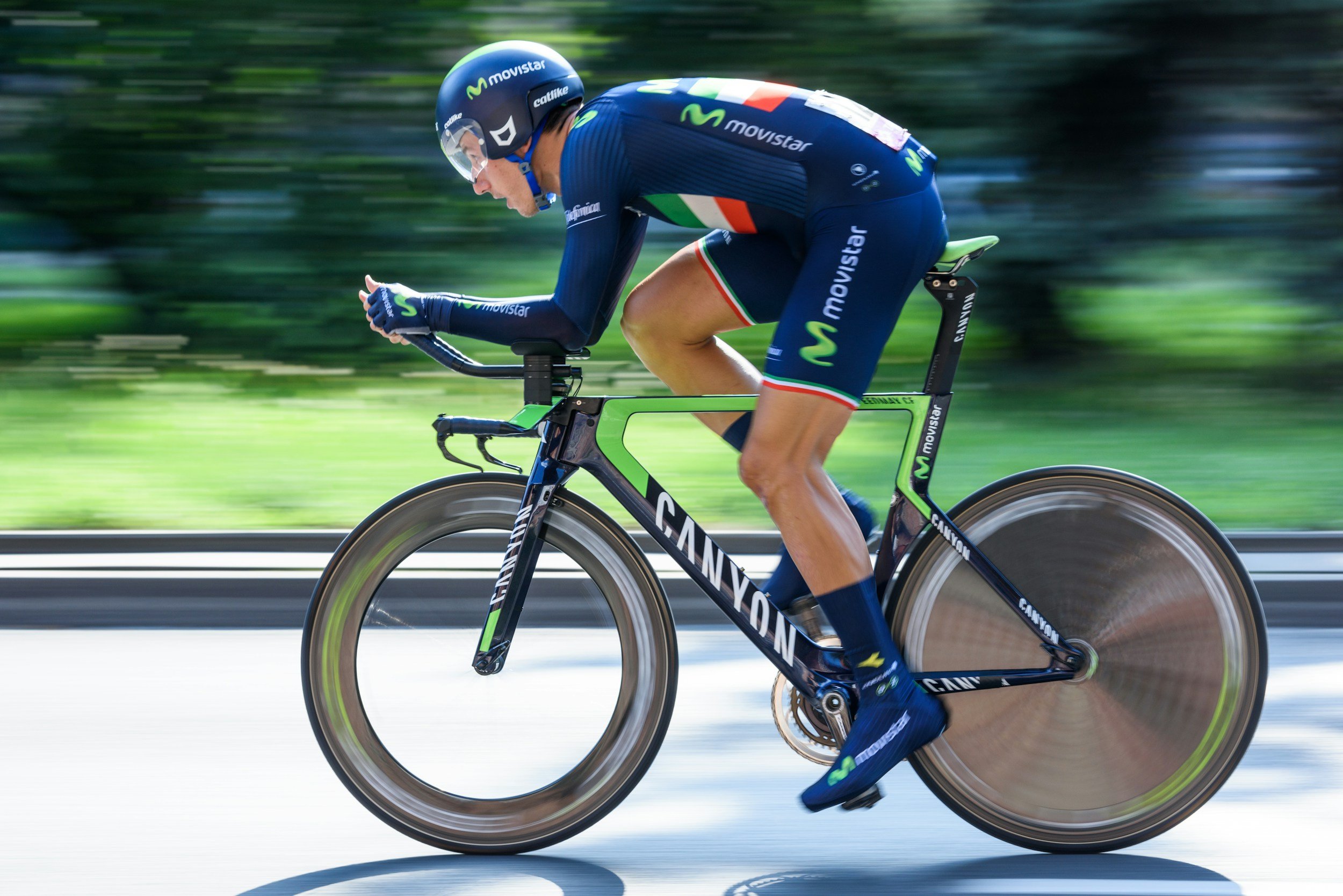
HBOT for muscle recovery is relevant across a wide spectrum of training levels — not just elite sport.
Competitive athletes — particularly those in high-volume training phases, competition blocks, or recovering from muscular injury where getting back to full training quickly matters.
Regular gym-goers and fitness enthusiasts — if you train 4–5 times per week and recovery is your limiting factor, HBOT offers a science-backed approach to reducing the gap between sessions.
Older active adults — recovery slows with age as mitochondrial function and circulation decline. HBOT addresses both mechanisms directly, making it particularly relevant for people who want to keep training hard into their 40s, 50s, and beyond.
People returning from injury — whether a muscle strain, tear, or post-surgical repair, the same mechanisms that support exercise recovery support injury recovery. For more on this, see our post on HBOT for surgery recovery.
Frequently Asked Questions
-
Yes. A 2025 meta-analysis of 10 studies covering 299 subjects confirmed that HBOT statistically significantly accelerated recovery from exercise-induced muscle injury. Clinical trials also show measurable reductions in muscle damage markers including creatine phosphokinase (CK) and myoglobin in athletes receiving HBOT compared to controls. Frontiers
-
Delayed onset muscle soreness is driven by micro-damage to muscle fibres, inflammation, and the accumulation of metabolic byproducts in tissue that isn't receiving adequate oxygen. HBOT dissolves oxygen directly into blood plasma, reaching damaged tissue that normal circulation struggles to supply — accelerating repair and clearing the waste products that cause that 24–72 hour ache. Research found that muscle soreness was significantly reduced with HBOT at atmospheric pressure above 2.0 ATA with 100-minute sessions. Medical Research Archives
-
Recovery and performance are closely linked — better recovery means you can train harder and more consistently. Beyond recovery, research found that HBOT showed improvement in maximal oxygen uptake (VO2 max) and mitochondrial respiration in middle-aged athletes, suggesting HBOT may improve aerobic capacity. During exercise, HBOT can increase the synchronisation and firing rates of motor units, helping motor units maintain a stable activation state during high-intensity exercise and reducing peripheral fatigue.
-
It depends on what you're using HBOT for. For acute recovery around a competition block or muscular injury, clinical trials used 10 sessions, with the HBOT group showing prominent reductions in muscle damage markers that lasted two weeks after the final treatment. For ongoing training support, many athletes use weekly or fortnightly sessions. At OxyPlus Newcastle, we'll design a protocol around your specific training demands during your initial consultation.
-
Yes — significantly. Based on current protocols in the literature, a treatment session administered at 2.0–2.5 ATA provides the greatest benefit. Home soft chambers typically operate at 1.3 ATA with ambient air, a very different level of oxygen delivery to the clinical-grade equipment at OxyPlus, which matches the parameters used in the research.
-
OxyPlus is Newcastle's specialist HBOT clinic, offering medical-grade hyperbaric oxygen therapy at the clinical pressures and session lengths the research evidence is based on. We work with athletes and active people across Newcastle, Gateshead, Sunderland, Durham, and Northumberland. Visit oxyplus.co.uk to book your consultation.