
Hyperbaric Oxygen Therapy for Cancer Side Effects in Newcastle: A Clinical Approach
Cancer treatments such as chemotherapy, radiotherapy, and surgery are essential in managing Cancer. However, these treatments can also lead to side effects that affect recovery, comfort, and overall quality of life.
At OxyPlus in Newcastle, we provide medical-grade Hyperbaric Oxygen Therapy as a supportive treatment option. While HBOT is not a treatment for cancer itself, it is used in specific clinical settings to help manage certain side effects—particularly those related to tissue damage and healing.
Common Side Effects of Cancer Treatment
Cancer therapies can impact healthy tissue as well as targeted areas, leading to a range of side effects:
Fatigue After Cancer Treatment
Persistent fatigue is one of the most common challenges patients face. It can continue long after treatment has ended and significantly affect daily life.
Radiation-Induced Tissue Damage
Radiotherapy can reduce blood supply and oxygen delivery to tissues, sometimes leading to long-term damage in the skin, soft tissue, or underlying structures.
Delayed Wound Healing
Following surgery or radiotherapy, healing may be slower due to reduced oxygenation in affected areas.
Pain and Inflammation
Chronic inflammation and discomfort can persist, particularly in areas exposed to radiation.
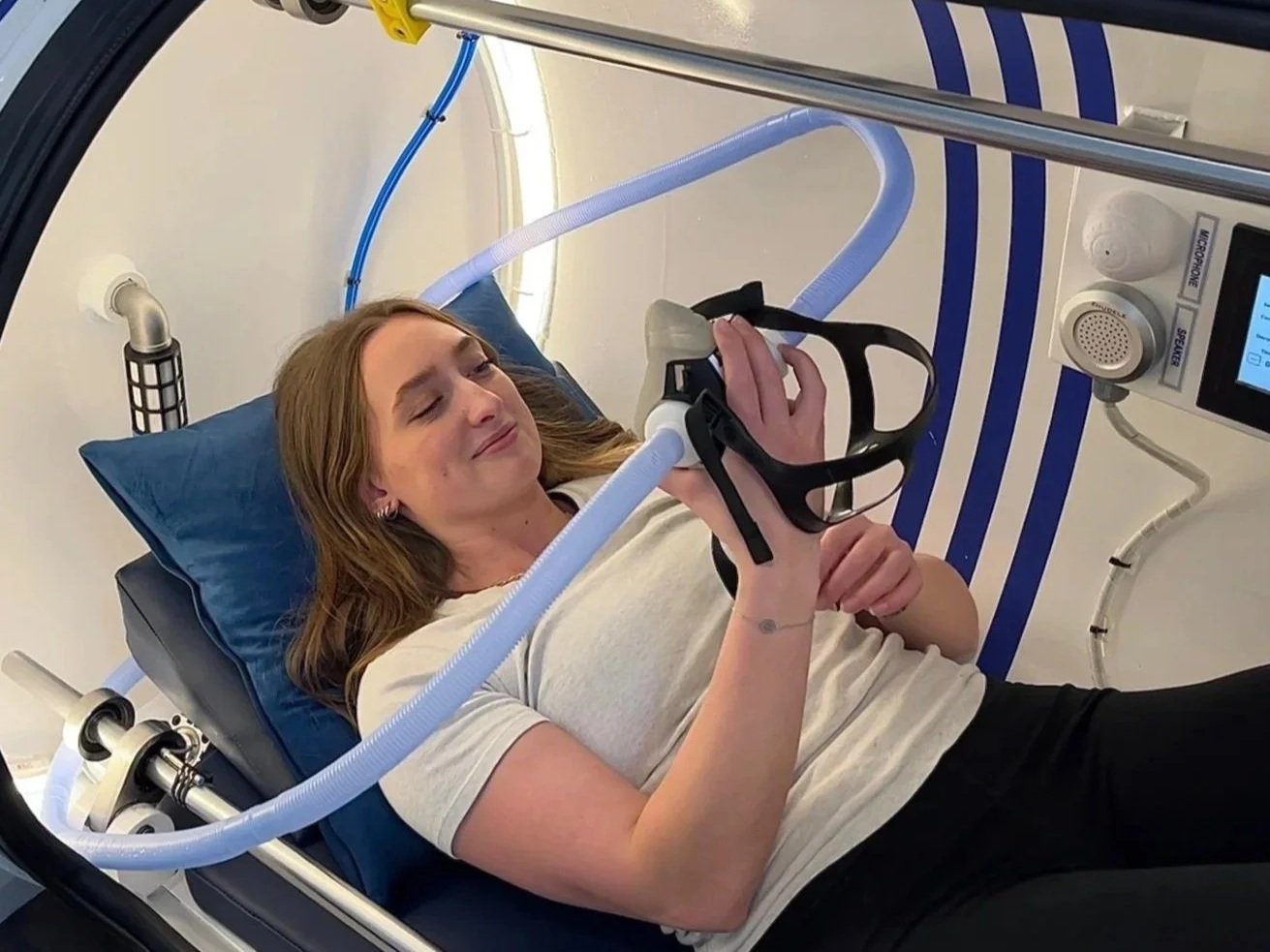
What Is Hyperbaric Oxygen Therapy (HBOT)?
Hyperbaric Oxygen Therapy involves breathing 100% oxygen in a pressurised chamber. This increases the amount of oxygen carried in the bloodstream, a process known as Hyperoxia.
In a medical-grade HBOT setting, higher oxygen levels can reach damaged tissues more effectively, supporting key healing processes such as:
Tissue repair
Reduction in swelling
Formation of new blood vessels (Angiogenesis)
How HBOT May Help Manage Cancer Treatment Side Effects
Supporting Tissue Healing
Oxygen is essential for recovery. HBOT may enhance oxygen delivery to damaged areas, supporting the body’s natural healing response.
Radiation Tissue Injury (Key Clinical Use)
HBOT is most commonly used in cases of radiation-induced tissue damage. Increased oxygenation may help restore blood flow and improve tissue viability.
Reducing Inflammation
Improved oxygen supply may help regulate inflammatory responses, which can contribute to pain and delayed healing.
Supporting Recovery and Energy
Some patients report improvements in recovery and overall wellbeing. However, outcomes vary and this area continues to be studied.

Research and Evidence Around HBOT in Cancer Care
The use of Hyperbaric Oxygen Therapy in cancer care is research-informed and clinically guided, with the strongest support seen in the management of radiation-induced tissue damage.
Studies and clinical observations have shown that increasing oxygen delivery to affected tissues may help support healing in areas where blood supply has been compromised by radiotherapy. This is particularly relevant in cases involving soft tissue injury and delayed wound healing.
Organisations such as the Undersea and Hyperbaric Medical Society recognise HBOT as an appropriate option for certain conditions related to tissue damage, reflecting its role within established clinical practice in specific contexts.
For other side effects—such as fatigue, general recovery, and systemic symptoms—the evidence base is still developing. While some studies and patient outcomes are encouraging, HBOT is typically considered an adjunctive therapy, used alongside standard medical care rather than as a standalone treatment.
As research continues to evolve, HBOT is increasingly being explored for its potential role in supporting recovery and improving quality of life following cancer treatment.
What to Expect from HBOT in Newcastle
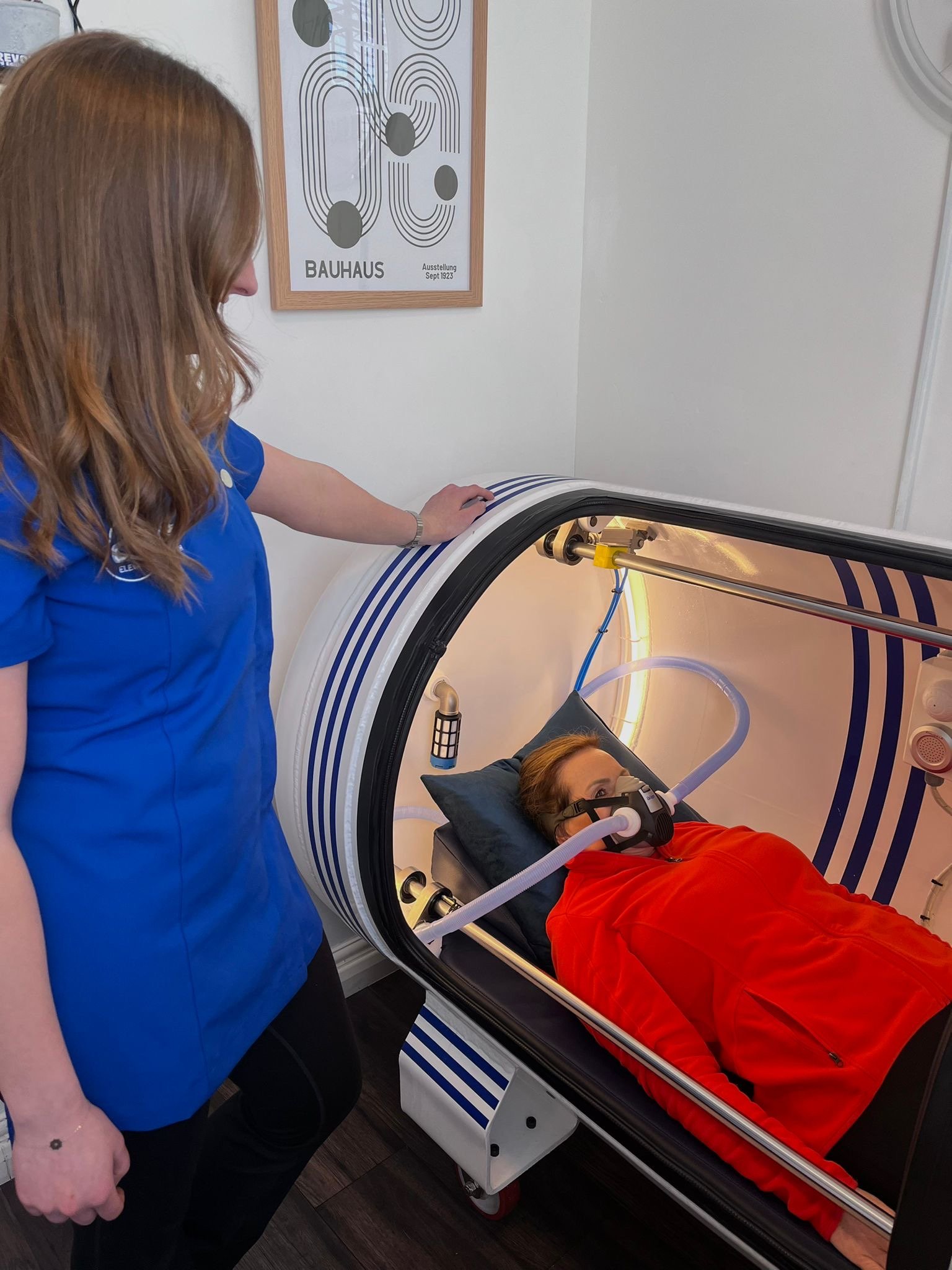
At OxyPlus, we provide medical-grade hyperbaric oxygen therapy in Newcastle within a controlled clinical environment.
Sessions typically last 60–90 minutes
Treatment plans vary depending on the condition
Multiple sessions are often recommended for optimal results
During treatment, patients may notice mild ear pressure (similar to flying), which is carefully managed by our clinical team.
Important Considerations: HBOT Is Not a Treatment for Cancer
While Hyperbaric Oxygen Therapy may support recovery and help manage certain side effects, it is important to be clear that it is not a treatment or cure for Cancer.
HBOT should always be viewed as a supportive or adjunctive therapy, used alongside standard medical treatments such as chemotherapy, radiotherapy, or surgery—not as a replacement.
In addition, HBOT may not be suitable for everyone at every stage of treatment. In some cases, the timing of therapy and the type of cancer treatment being received need to be carefully considered. For example, patients undergoing active treatment may require a coordinated approach to ensure safety and compatibility.
For this reason, it is essential to consult with your treating doctor or specialist before starting HBOT. A clinical assessment can help determine whether it is appropriate for your individual circumstances and ensure it is integrated safely into your overall care plan.
At OxyPlus, all patients are assessed prior to treatment, and we encourage open communication with your wider medical team to support safe and effective care.
When to Consider Hyperbaric Oxygen Therapy
You may consider HBOT if:
Side effects persist after cancer treatment
Healing is delayed
You have been advised to explore supportive therapies
HBOT should always be used as part of a broader, clinician-led recovery plan.
Hyperbaric Oxygen Therapy in Newcastle
If you are looking for medical-grade hyperbaric oxygen therapy in Newcastle, OxyPlus provides a clinically focused approach tailored to individual recovery needs.
Our team works with patients to assess suitability and develop structured treatment plans based on current evidence and best practice.
Conclusion
Managing the side effects of cancer treatment is an important part of recovery. While primary treatments remain essential, supportive therapies can help improve quality of life and healing outcomes.
Hyperbaric Oxygen Therapy is a clinically recognised option for certain conditions—particularly radiation-induced tissue damage and wound healing. As research continues, its role in supportive care is expanding.
If you are experiencing ongoing side effects following Cancer treatment, a clinical consultation can help determine whether HBOT may be appropriate for you.