
Can Hyperbaric Oxygen Therapy Reduce Recovery Time After Surgery? | HBOT Newcastle
Recovering from Surgery can take weeks or even months, depending on the procedure and individual health factors. A common question patients ask is:
Can hyperbaric oxygen therapy (HBOT) reduce recovery time after surgery?
In some cases, medical-grade Hyperbaric Oxygen Therapy may help support faster healing by increasing oxygen delivery to damaged tissues, improving wound healing, and reducing inflammation. However, results vary depending on the individual and type of surgery.
At OxyPlus, we provide hyperbaric oxygen therapy in Newcastle as a clinically guided, supportive treatment to help optimise post-surgical recovery.
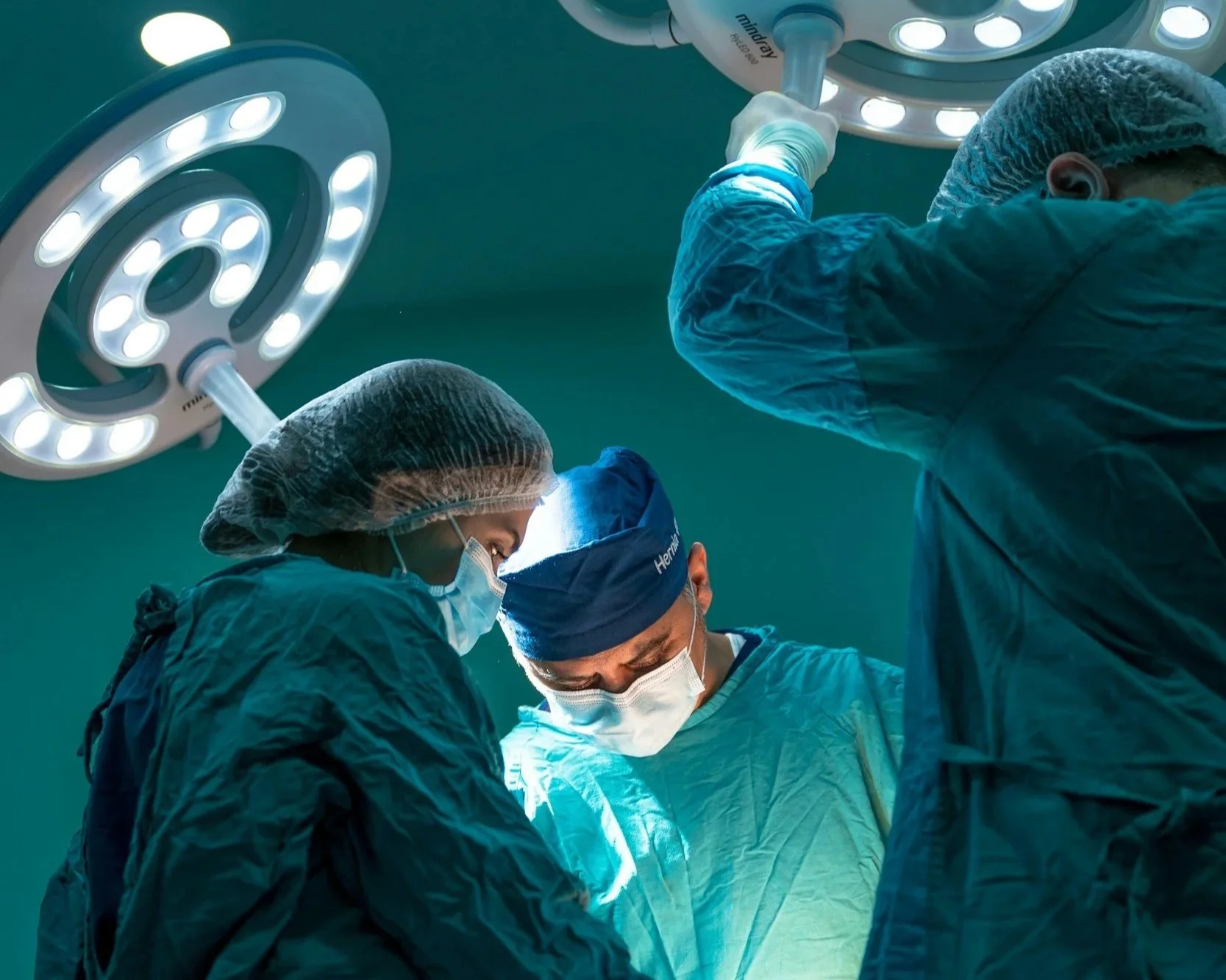
Why Oxygen Is Critical for Healing After Surgery
After surgery, the body relies heavily on oxygen to:
Repair damaged tissue
Support immune function
Reduce inflammation
Promote new blood vessel formation
When oxygen supply is limited, healing may be slower and the risk of complications can increase.
What Is Hyperbaric Oxygen Therapy (HBOT)?
Hyperbaric Oxygen Therapy is a medical treatment that involves breathing 100% oxygen in a specially designed, pressurised chamber.
Under normal conditions, oxygen is carried through the body by red blood cells. During HBOT, increased pressure allows significantly more oxygen to dissolve directly into the blood plasma—a process known as Hyperoxia.
This enables oxygen to reach areas where circulation may be reduced, particularly in tissues recovering after Surgery.
How Does HBOT Work?
HBOT increases oxygen availability at a cellular level, which may help to:
Support tissue repair and regeneration
Enhance the body’s natural healing processes
Promote the formation of new blood vessels (Angiogenesis)
Improve immune response and support infection control
This is particularly important after surgery, when tissues are inflamed, damaged, or oxygen-deprived.
What Happens During an HBOT Session?
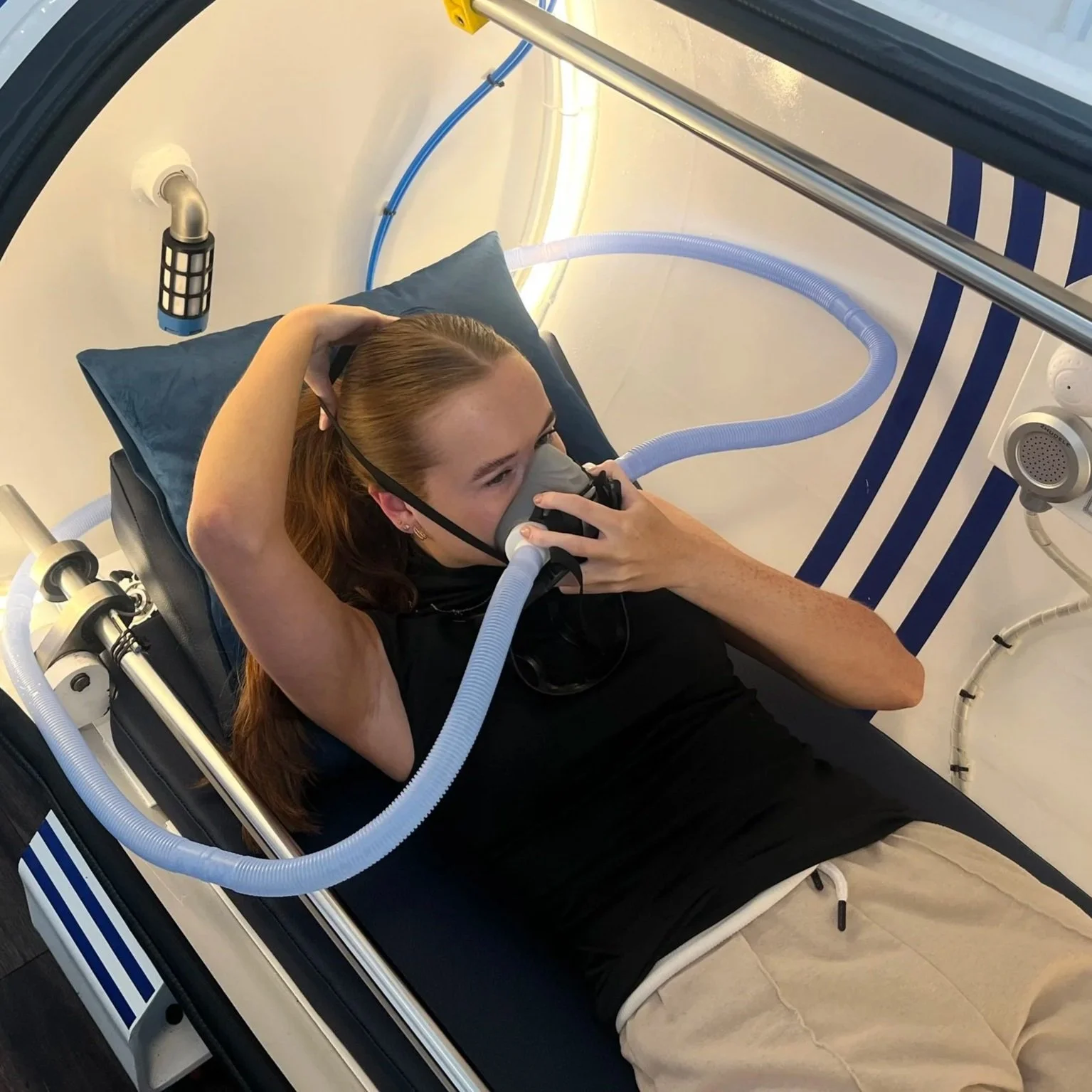
At OxyPlus, HBOT is delivered in a medical-grade hyperbaric chamber in Newcastle under clinical supervision.
During a session:
You sit or lie comfortably inside the chamber
Pressure gradually increases to a therapeutic level
You breathe pure oxygen throughout
Sessions typically last 60–90 minutes
Most patients find the experience comfortable. You may feel slight ear pressure, similar to flying, which is safely managed by our team.
Why Is HBOT Used After Surgery?
After surgery, swelling and tissue damage can limit oxygen delivery to healing areas.
HBOT helps by:
Delivering oxygen directly to compromised tissues
Supporting more efficient healing
Helping reduce inflammation and swelling
This is why HBOT is increasingly used as a supportive therapy in post-surgical recovery, particularly when healing is slower than expected.
Benefits of HBOT After Surgery
Faster Wound Healing
HBOT may accelerate healing by improving oxygen delivery to surgical sites and supporting tissue repair.
Reduced Inflammation and Swelling
Improved oxygenation may help regulate inflammatory responses, which can influence recovery time.
Improved Tissue Repair
HBOT supports the formation of new blood vessels (Angiogenesis), improving circulation in healing tissue.
Lower Risk of Complications
In some cases, HBOT may help reduce the risk of infection or delayed healing, particularly in higher-risk patients.
Does HBOT Speed Up Recovery Time After Surgery?
Many patients search for whether HBOT can speed up recovery after surgery.
Current research and clinical use suggest that HBOT may:
Support healing in slow or non-healing wounds
Improve recovery in oxygen-deprived tissues
Enhance overall recovery in certain surgical cases

Who Should Consider HBOT After Surgery?
Hyperbaric oxygen therapy in Newcastle may be suitable for patients who:
Are recovering from major or complex surgery
Experience delayed wound healing
Have reduced circulation or tissue oxygenation
Want to optimise recovery under clinical supervision
All patients undergo a clinical assessment before treatment.
When Should You Start HBOT After Surgery?
Timing depends on the individual case. HBOT may be used:
Shortly after surgery (where appropriate)
During recovery if healing is delayed
As part of a longer-term rehabilitation plan
Always consult your healthcare provider before starting treatment.
What to Expect from HBOT in Newcastle
At OxyPlus, we provide medical-grade hyperbaric oxygen therapy in Newcastle in a safe, controlled clinical setting.
Sessions last approximately 60–90 minutes
Multiple sessions are usually recommended
Treatment plans are tailored to your recovery
Conclusion
So, can Hyperbaric Oxygen Therapy reduce recovery time after Surgery?
It may help support faster healing and improve recovery in certain cases, particularly where oxygen delivery is limited. However, it should be considered a supportive therapy rather than a guaranteed solution.
If you are looking to optimise your recovery, a clinical consultation can help determine whether hyperbaric oxygen therapy in Newcastle is right for you.