
How Hyperbaric Oxygen Therapy May Reduce Chronic Inflammation
Inflammation is at the root of more health problems than most people realise. From slow-healing injuries and joint pain to long COVID, digestive conditions, and neurological symptoms, chronic inflammation is increasingly being recognised as a common thread running through many of the conditions that affect our quality of life.
At OxyPlus, our hyperbaric oxygen therapy clinic in Newcastle, we're regularly asked whether Hyperbaric Oxygen Therapy (HBOT) can help with inflammation. The honest answer, backed by a growing body of research, is that it shows real promise. Here's what we currently understand about the science, and why people across Newcastle and the North East are turning to HBOT as part of their recovery and wellness approach.
What Is Inflammation, and Why Does It Matter?
Inflammation is your immune system's natural first response to injury, infection, or stress. In the short term, it's protective, it brings immune cells to the area and begins the repair process. The problem arises when inflammation becomes chronic: a persistent, low-grade state that the body can't switch off.
Chronic inflammation has been linked to conditions including:
Joint pain and arthritis
Inflammatory bowel disease (Crohn's disease and ulcerative colitis)
Post-viral syndromes, including long COVID
Traumatic brain injury and neurological conditions
Post-surgical recovery complications
Chronic wounds and tissue damage
Fatigue and cognitive difficulties
Managing inflammation is central to managing, and recovering from, a wide range of health conditions. And it's one of the primary reasons clients visit our Newcastle HBOT clinic seeking an alternative or complementary approach.

What Is Hyperbaric Oxygen Therapy (HBOT)?
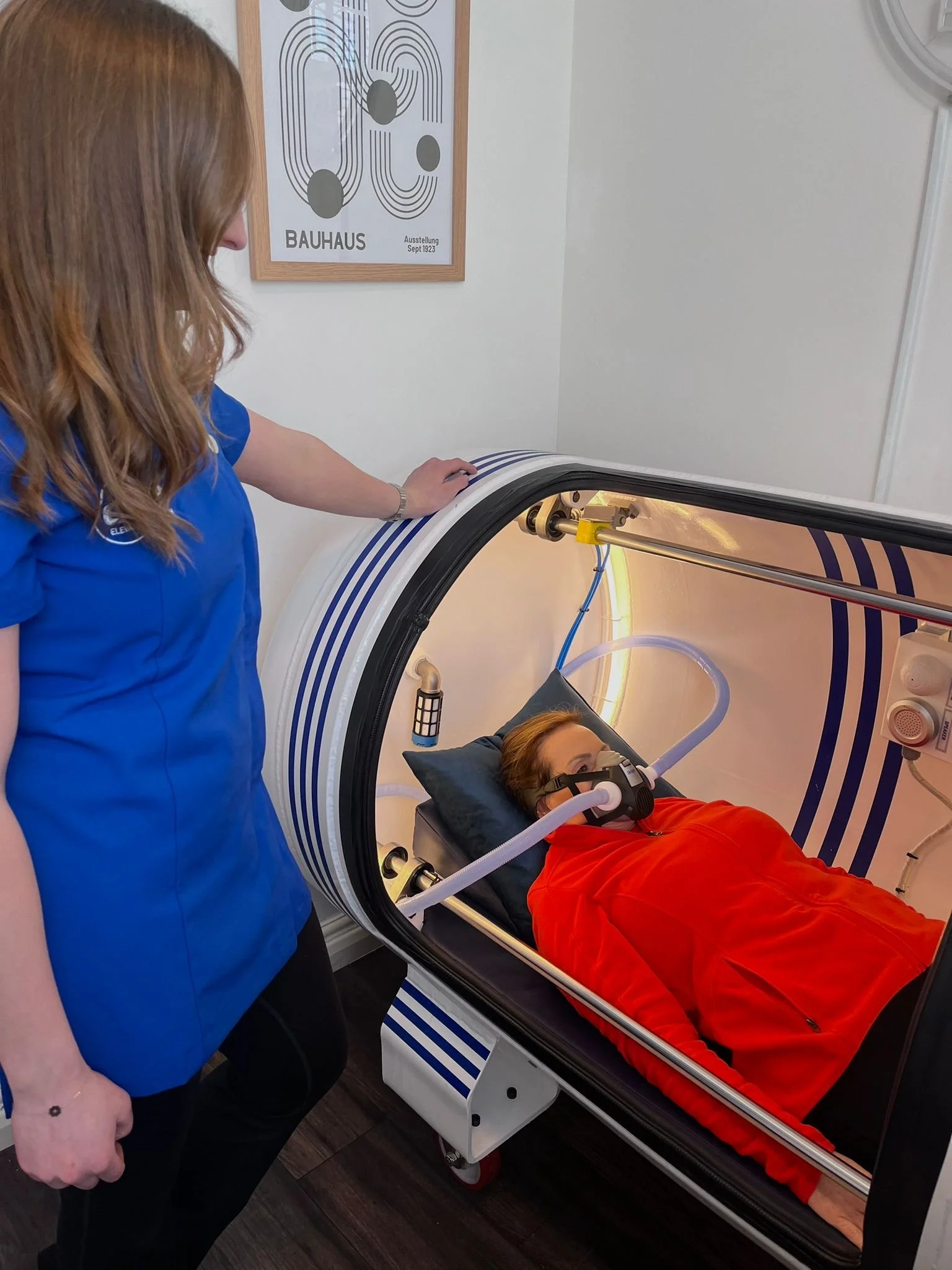
In a hyperbaric chamber, you breathe 100% pure oxygen at a pressure greater than normal atmospheric pressure. Typically, between 1.5 and 3 atmospheres absolute (ATA). This dramatically increases the amount of oxygen dissolved in your blood plasma, allowing it to reach tissues that would ordinarily be starved of oxygen including inflamed, damaged, or poorly perfused areas.
This oxygen-rich environment sets off a cascade of biological responses, several of which are directly relevant to how the body handles inflammation.
At OxyPlus in Newcastle, our medical-grade hyperbaric chambers deliver 100% oxygen in a safe, monitored environment. Each session is supervised, and every new client undergoes a full consultation before beginning treatment.
The Science: How HBOT May Reduce Inflammation
1. Interrupting the NF-κB Inflammatory Pathway
One of the most studied mechanisms involves a protein called NF-κB (nuclear factor kappa B), which acts as a master switch for inflammation inside the body. When oxygen levels in tissue are low, due to injury, infection, poor circulation, or other stressors, another protein called HIF (Hypoxia-Inducible Factor) activates NF-κB, triggering the release of pro-inflammatory cytokines.
Research published in the journal Inflammation found that HBOT downregulated the expression of key NF-κB signalling proteins in cells exposed to inflammatory triggers. By saturating tissues with oxygen, HBOT appears to suppress the HIF–NF-κB signalling chain, essentially helping to turn down the body's inflammatory response at a molecular level.
2. Reducing Pro-Inflammatory Cytokines
Cytokines are chemical messengers that co-ordinate the immune response. Pro-inflammatory cytokines such as TNF-α, IL-1β, IL-6, and IL-8 are elevated in many chronic inflammatory conditions. Multiple studies suggest HBOT may help lower these markers.
Research focusing on inflammatory bowel disease found that HBOT reduced levels of several key pro-inflammatory molecules, while also enhancing anti-inflammatory cytokines, suggesting that HBOT doesn't simply suppress the immune system, but helps to rebalance it.
Similarly, research in patients with necrotising soft-tissue infections found that HBOT was associated with a meaningful decrease in cytokine levels, a significant finding given how difficult such inflammatory conditions can be to manage.
3. Supporting the Shift From Oxidative Stress to Tissue Repair
HBOT-induced hyperoxia creates a temporary, controlled increase in reactive oxygen species (ROS). While excessive ROS drives tissue damage, a brief, managed increase appears to trigger the body's own antioxidant defences, reducing overall oxidative stress over time. This is one reason why the anti-inflammatory effects of HBOT can outlast the treatment sessions themselves.
A systematic review published in Biomolecules found that HBOT-induced oxidative stress paradoxically reduced concentrations of pro-inflammatory acute phase proteins, interleukins, and cytokines, while simultaneously increasing growth factors that support healing and tissue regeneration.
4. Neutrophil and Immune Cell Modulation
White blood cells called neutrophils are among the first responders to injury, but when chronically activated, they contribute to tissue damage and persistent inflammation. Research has found that HBOT reduces the production of reactive oxygen species in neutrophils and inhibits downstream inflammatory signalling, potentially dampening the cycle of chronic immune activation.
5. Improving Oxygen Delivery to Hypoxic Tissue
Many of the tissues most affected by chronic inflammation are also poorly oxygenated, either because blood vessel damage has restricted supply, or because inflammation itself has increased metabolic demand. By dissolving oxygen directly into blood plasma (bypassing the need for healthy red blood cells to carry it), HBOT delivers oxygen to areas that conventional circulation can't adequately reach, helping to break the hypoxia-inflammation feedback loop.

Conditions Where HBOT Is Being Explored for Anti-Inflammatory Effects
At OxyPlus Newcastle, we see clients with a wide range of inflammatory conditions. Here's what the current research says about some of the most common:
Long COVID and Post-Viral Inflammation
Long COVID is characterised in part by persistent systemic inflammation and elevated inflammatory markers. Emerging research highlights HBOT as a promising approach for addressing the underlying inflammatory and vascular pathophysiology of post-COVID symptoms and it's one of the most common reasons people visit our HBOT clinic in Newcastle today.
Inflammatory Bowel Disease
Research published in Precision Clinical Medicine in 2024 found that HBOT showed meaningful anti-inflammatory effects in models of inflammatory bowel disease, including reductions in key cytokines and inflammatory enzymes. Hyperbaric treatment is increasingly being explored as a complementary approach for both Crohn's disease and ulcerative colitis.
Post-Surgical Inflammation and Recovery
A 2025 randomised controlled trial published in Scientific Reports examined HBOT following total knee arthroplasty and found measurable reductions in post-operative inflammatory markers in the HBOT group compared to controls supporting its use as part of a broader surgical recovery plan.
Chronic Inflammatory Response Syndrome (CIRS)
A 2025 case report published in Frontiers in Immunology documented complete symptom resolution and biomarker normalisation in a patient with chronic inflammatory response syndrome following 40 HBOT sessions, with notable improvements in fatigue and cognition.
Neurological Conditions
Research into neuroinflammation including following traumatic brain injury and spinal cord injury has found that HBOT can reduce inflammatory signalling at the level of the central nervous system, with potential implications for a range of neurological recovery scenarios.
Joint Pain and Arthritis
For clients in Newcastle dealing with joint inflammation and musculoskeletal pain, HBOT's ability to reduce pro-inflammatory cytokines and improve oxygen delivery to inflamed tissue makes it a compelling area of interest, particularly for those who have not found adequate relief through conventional approaches alone.
Important Caveats
It's important to be clear: the research into HBOT and inflammation is still developing. While the mechanistic evidence is compelling and clinical studies are accumulating, HBOT is not a guaranteed treatment for any specific inflammatory condition, and it is not a replacement for conventional medical care.
Results vary between individuals. Some conditions have stronger evidence than others. We always recommend discussing HBOT with your GP or specialist before beginning treatment. All clients at OxyPlus undergo a thorough health consultation before their first session.
HBOT for Inflammation in Newcastle: What to Expect at OxyPlus
If you're considering hyperbaric oxygen therapy in Newcastle, here's what the process looks like at OxyPlus:
Initial Consultation — We discuss your health history, current conditions, medications, and goals. This helps us determine whether HBOT is appropriate and design a suitable treatment plan.
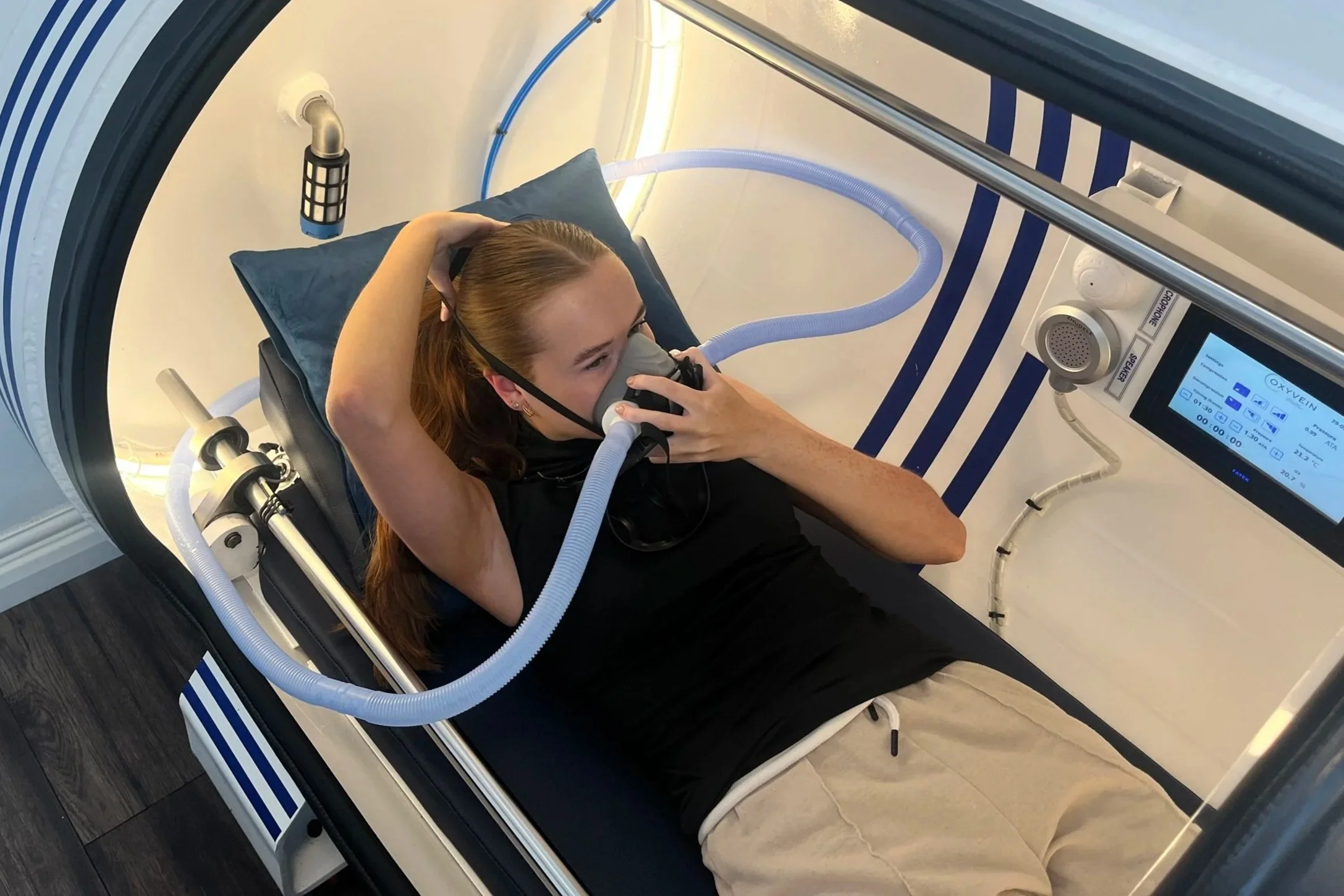
Your First Session — You'll enter the hyperbaric chamber and breathe 100% oxygen comfortably for a set period (typically 60–90 minutes). Most clients find it relaxing.
A Course of Treatment — For inflammatory conditions, a course of multiple sessions is generally recommended. We'll advise on frequency and duration based on your individual needs.
Ongoing Review — We monitor your progress throughout and adjust the plan where needed.
Our clinic is conveniently located in Newcastle, making us accessible for clients across the North East, including Gateshead, Sunderland, Durham, Northumberland, and beyond.
Frequently Asked Questions About HBOT and Inflammation
Q: Can hyperbaric oxygen therapy help with chronic inflammation? A: Research suggests HBOT may reduce key markers of inflammation including pro-inflammatory cytokines such as TNF-α and IL-1β, and interrupt inflammatory signalling pathways like NF-κB. While not a guaranteed cure, many clients report improvement in inflammatory symptoms after a course of HBOT sessions.
Q: How many HBOT sessions do I need to reduce inflammation? A: This varies depending on the condition and individual response. Research protocols for inflammatory conditions often use between 20 and 40 sessions. At OxyPlus Newcastle, we'll discuss a personalised plan during your initial consultation.
Q: Is hyperbaric oxygen therapy safe? A: HBOT is considered a safe, non-invasive therapy when carried out in a properly equipped clinic under appropriate supervision. At OxyPlus, every session is monitored. As with any therapy, there are some contraindications, which is why we conduct a full health consultation before beginning treatment.
Q: Where can I get hyperbaric oxygen therapy in Newcastle? A: OxyPlus is Newcastle's specialist HBOT clinic, offering medical-grade hyperbaric oxygen therapy with a thorough clinical consultation process. Visit oxyplus.co.uk to book or find out more.
Q: Does HBOT help with long COVID inflammation? A: Emerging research highlights HBOT as a promising approach for the inflammatory and vascular aspects of long COVID. It is one of the most common reasons clients seek HBOT treatment at our Newcastle clinic. We recommend discussing this with your GP alongside any other treatment you're receiving.
Q: Is HBOT available on the NHS in Newcastle? A: NHS HBOT in Newcastle is limited to specific approved conditions. OxyPlus offers private HBOT for a broader range of wellness and recovery indications, including inflammatory conditions not currently covered by NHS provision.
Disclaimer: This article is for informational purposes only and does not constitute medical advice. Always consult a qualified healthcare professional before starting any new therapy. Hyperbaric oxygen therapy is a complementary approach and should not replace treatment prescribed by your doctor.