
HBOT and Brain Health: How Oxygen Supports Memory, Focus and Mood
Most people don't think of the brain as an organ with physical, treatable needs. When memory slips, focus wanders, or mood dips persistently, the tendency is to attribute it to stress, age, or simply "how things are." But the brain is a biological organ, the most metabolically demanding one in the body, and it has specific physical requirements. Chief among them is oxygen.
The brain accounts for around 2% of your body weight yet consumes approximately 20% of the body's total oxygen supply. It has almost no energy reserves of its own and depends entirely on continuous, reliable oxygen delivery to power thought, memory, emotion, and every cognitive function you use throughout the day. When that oxygen supply is compromised, whether by poor circulation, ageing, inflammation, post-viral damage, or injury. The effects are felt directly in how you think, remember, and feel.
At OxyPlus, our hyperbaric oxygen therapy clinic in Newcastle, brain health is one of the most common reasons people seek HBOT. This post covers what the research says about how HBOT affects memory, focus, mood, and cognitive function and why the science is more compelling than most people realise.
Why the Brain Is So Vulnerable to Oxygen Insufficiency
The brain's extraordinary energy demands make it uniquely sensitive to anything that disrupts oxygen delivery. Neurons cannot store energy, they produce it and use it simultaneously, in real time. When the supply of oxygen to a region of the brain falters, even subtly, the neurons in that area become less efficient, less able to communicate, and less capable of the tasks we associate with sharp cognition.
The mechanisms by which oxygen insufficiency affects the brain are well understood:
Reduced ATP production.
Without adequate oxygen, neurons cannot generate enough ATP to power the electrochemical signalling that underlies thought and memory. The brain's processing speed slows, working memory capacity drops, and sustained attention becomes difficult to maintain.
Neuroinflammation.
Chronically low oxygen in brain tissue triggers inflammatory responses that damage neurons and disrupt synaptic connections, the physical basis of memory and learning.
Impaired neurotransmitter synthesis.
The production of key neurotransmitters, including dopamine, serotonin, and acetylcholine, is oxygen-dependent. When synthesis is impaired, the effects ripple through mood, motivation, focus, and emotional regulation.
Reduced cerebral blood flow.
The gradual occlusion of small blood vessels is now understood as one of the dominant elements in the brain's ageing process, as described by Professor Shai Efrati of the Sagol Center for Hyperbaric Medicine and Research. Just as pipes in an ageing building can narrow and block, the brain's microvascular network becomes less efficient over time, quietly eroding cognitive performance long before any clinical diagnosis is made.
This is the landscape HBOT works in, and why its effects on the brain are so relevant to such a wide range of people.
The Human Evidence: What Clinical Trials Have Found
Memory, Attention and Processing Speed in Healthy Older Adults
One of the most important clinical studies in HBOT and brain health is a randomised controlled trial published in the journal Aging, conducted by the Sagol Center at Tel Aviv University. The trial enrolled 63 healthy adults aged over 64, randomising them to either HBOT or a control arm for three months.
The results were striking and objective. There was a significant group-by-time interaction in global cognitive function post-HBOT compared to control, with the most notable improvements in attention (net effect size 0.745) and information processing speed (net effect size 0.788). Voxel-based analysis showed significant cerebral blood flow increases in the HBOT group compared to controls in the right superior medial frontal gyrus, supplementary motor area, and superior parietal gyrus.
These are not self-reported impressions, they are objective measurements of brain blood flow confirmed by MRI perfusion imaging, correlated with standardised cognitive testing. Professor Efrati noted that HBOT induced a significant increase in brain blood flow which correlated with cognitive improvement, and that the occlusion of small blood vessels, similar to the occlusions that develop in the pipes of an ageing home, is a dominant element in the human ageing process.
The practical implication for people in their 50s, 60s, and 70s who are noticing changes in mental sharpness is significant: the cognitive decline associated with normal ageing is, at least in part, vascular, and HBOT appears to address it at that level.
Post-COVID Cognitive and Mood Improvements
A randomised controlled trial of 73 post-COVID patients published in Scientific Reports found significant improvements in depression and somatisation symptoms alongside cognitive gains, with benefits that held at one-year follow-up. The overlap between cognitive fog and mood disorders in post-COVID syndrome is well documented, and HBOT appears to address both through shared neurological mechanisms.
A 2024 review published in Frontiers in Neurology confirmed measurable improvements in brain activity in the left dorsolateral prefrontal cortex and middle temporal gyri using fMRI, objective structural and functional changes in regions that process executive function, memory, and emotional context.
PTSD and Lasting Neuroplastic Change
PTSD symptoms, particularly in cognition and mood, exhibited sustained improvements approximately 704 days post-HBOT, highlighting the therapy's potential for inducing durable neuroplastic changes. For a condition as treatment resistant as PTSD, the durability of these improvements, nearly two years after treatment, is a particularly meaningful finding.
Alzheimer's Disease Research
Research published in Redox Biology in 2024 found therapeutic effects of long-term HBOT on Alzheimer's disease neuropathology’s and cognitive impairment in mouse models. While human Alzheimer's trials are at an earlier stage, the mechanistic evidence - HBOT's effects on cerebral blood flow, neuroinflammation, and amyloid pathology - makes it one of the more scientifically credible avenues being explored for neurodegenerative conditions.
A double-blind, sham-controlled trial involving 155 participants assessed over five years examined HBOT's impact on cognitive function, cerebral blood flow measured by MRI, and glucose metabolism measured by PET imaging in a high-risk group, representing some of the most methodologically rigorous research in the field to date.
How HBOT Supports the Brain: The Key Mechanisms
1. Restoring Cerebral Blood Flow
The most direct mechanism is increased oxygen delivery through dramatically improved cerebral oxygenation. But the more durable effect is HBOT's stimulation of angiogenesis, the formation of new blood vessels, which restores circulation to brain regions that have become progressively under-supplied.
HBOT boosts cerebral blood flow, reduces neuroinflammation, guards against oxidative stress, and promotes angiogenesis and neurogenesis, addressing not just the symptom of reduced brain oxygenation but the underlying vascular structure responsible for it.
2. Neurogenesis - Growing New Brain Cells
One of the most remarkable aspects of the brain research is HBOT's demonstrated ability to stimulate neurogenesis, the creation of new neurons. This was once considered impossible in the adult brain but is now understood to occur primarily in the hippocampus (the brain's memory centre) and the olfactory bulb throughout life, regulated by oxygen availability and growth factors.
HBOT can promote the production of brain-derived neurotrophic factor (BDNF), a protein critical for cognitive performance and mood regulation. In clinical trials, individuals recovering from traumatic brain injuries experienced measurable improvements in memory recall and attention span after undergoing HBOT.
BDNF is sometimes described as "fertiliser for the brain", it promotes the survival of existing neurons, encourages the growth of new ones, and strengthens the synaptic connections that underlie learning and memory. It is the same protein upregulated by aerobic exercise, one of the key biological reasons that regular physical activity is so protective of cognitive function. HBOT activates the same pathway through a different route.
3. Neuroplasticity and Synaptic Repair
Neuroplasticity, the brain's ability to reorganise and adapt, is essential for learning and memory. HBOT has been linked to improved neuroplasticity by creating an optimal environment for neuronal repair and regeneration.
The Frontiers in Neurology 2024 review confirmed that HBOT affects multiple primary pathways including mitochondrial biogenesis and function, neurogenesis via upregulation of Wnt-3 and VEGF/ERK signalling, synaptogenesis through elevated GAP43 and synaptophysin expression, and anti-inflammatory responses including reductions in TNF-α and IL-6.
Synaptogenesis — the formation of new synaptic connections — is directly relevant to memory consolidation and learning. When this process is supported, the brain's capacity to encode, store, and retrieve information improves.
4. Reducing Neuroinflammation
Neuroinflammation — chronic inflammatory activity within the brain — is now understood as a significant driver of cognitive decline, depression, and a range of neurological conditions. It is a feature of ageing, post-viral illness, traumatic brain injury, and neurodegenerative disease.
HBOT promotes brain recovery and neuroplasticity through the modulation of key cellular and molecular mechanisms, including significant anti-inflammatory responses — reductions in TNF-α and IL-6 — which contribute to clinical benefits including enhanced cognitive function and improved recovery from traumatic brain injury and post-concussion syndrome.
By reducing the inflammatory signalling that impairs neuronal function and disrupts synaptic communication, HBOT creates a biological environment more conducive to clear thinking and stable mood.
5. Supporting Neurotransmitter Function and Mood
Cognitive performance and emotional regulation are interconnected. Brain regions managing attention, motivation, and mood rely on adequate oxygen for optimal function. Enhanced oxygenation through HBOT supports energy-dependent neural processes, including neurotransmitter synthesis and signalling — helping to stabilise mood, improve focus, and enhance cognitive efficiency.
The mood benefits of HBOT are not simply a secondary effect of feeling physically better. They reflect measurable changes in the brain regions and biochemical pathways that directly govern emotional regulation — the hippocampus, the prefrontal cortex, and the insula, all of which show activity changes on fMRI following HBOT.
6. The Hyperoxic-Hypoxic Paradox: Why the Cycle Matters
The brain's response to HBOT is not simply a matter of flooding it with oxygen. The repeated alternation between hyperoxia (during the session) and return to normal oxygen levels (between sessions) is what triggers the most significant adaptive responses — what researchers call the hyperoxic-hypoxic paradox: the brain's gene expression shifts in response to this cycle, specifically activating mitochondrial biogenesis, neurogenesis via Wnt-3 and VEGF/ERK signalling, synaptogenesis, and anti-inflammatory responses.
This is why a single session is not enough, and why a structured course — typically 20–40 sessions for cognitive and mood goals — is required to generate the sustained neuroplastic changes visible in clinical trials.

Who Might Benefit: Brain Health HBOT at OxyPlus Newcastle
The research on HBOT and brain health is relevant to a broad range of people. At OxyPlus in Newcastle, the clients most commonly seeking HBOT for cognitive and mood-related reasons include:
People experiencing age-related cognitive changes — difficulty recalling names, slower processing, reduced mental stamina. The clinical evidence from the Israeli trials is directly relevant here: these are healthy adults experiencing normal cognitive ageing whose function measurably improved following HBOT.
Long COVID brain fog — cognitive difficulties following COVID-19 infection are one of the most common reasons for HBOT referral at our Newcastle clinic. The shared neurological mechanisms — neuroinflammation, mitochondrial dysfunction, reduced cerebral blood flow — are precisely what HBOT addresses.
Traumatic brain injury and concussion — HBOT's effect on cerebral blood flow, neurogenesis, and neuroplasticity make it a scientifically credible approach for TBI recovery, with the evidence extending to childhood TBI with chronic neurocognitive symptoms.
Post-viral cognitive difficulties — beyond COVID, other viral infections are associated with lasting cognitive effects. The mitochondrial and neuroinflammatory mechanisms are similar.
Mood and mental health support — particularly for those where standard approaches have been insufficient, HBOT's direct action on the neural circuitry of mood regulation offers a different biological route worth exploring.
Proactive cognitive health in midlife and beyond — for people in their 40s, 50s, and 60s who want to be proactive about brain health, the evidence that HBOT improves cerebral blood flow and stimulates BDNF and neurogenesis represents a meaningful case for its inclusion in a broader healthy brain strategy.
What to Expect: HBOT for Brain Health at OxyPlus Newcastle
If you're considering HBOT to support your cognitive function, mood, or brain health, here's how we approach it at our Newcastle hyperbaric oxygen therapy clinic:
Initial Consultation — We discuss your symptoms, health history, and goals in detail. For brain health and cognitive goals, understanding the timeline and context of your symptoms helps us design the most appropriate protocol.
Personalised Protocol — For cognitive and mood-related goals, research protocols typically involve 10–40 sessions. We'll recommend frequency and duration based on your individual circumstances.
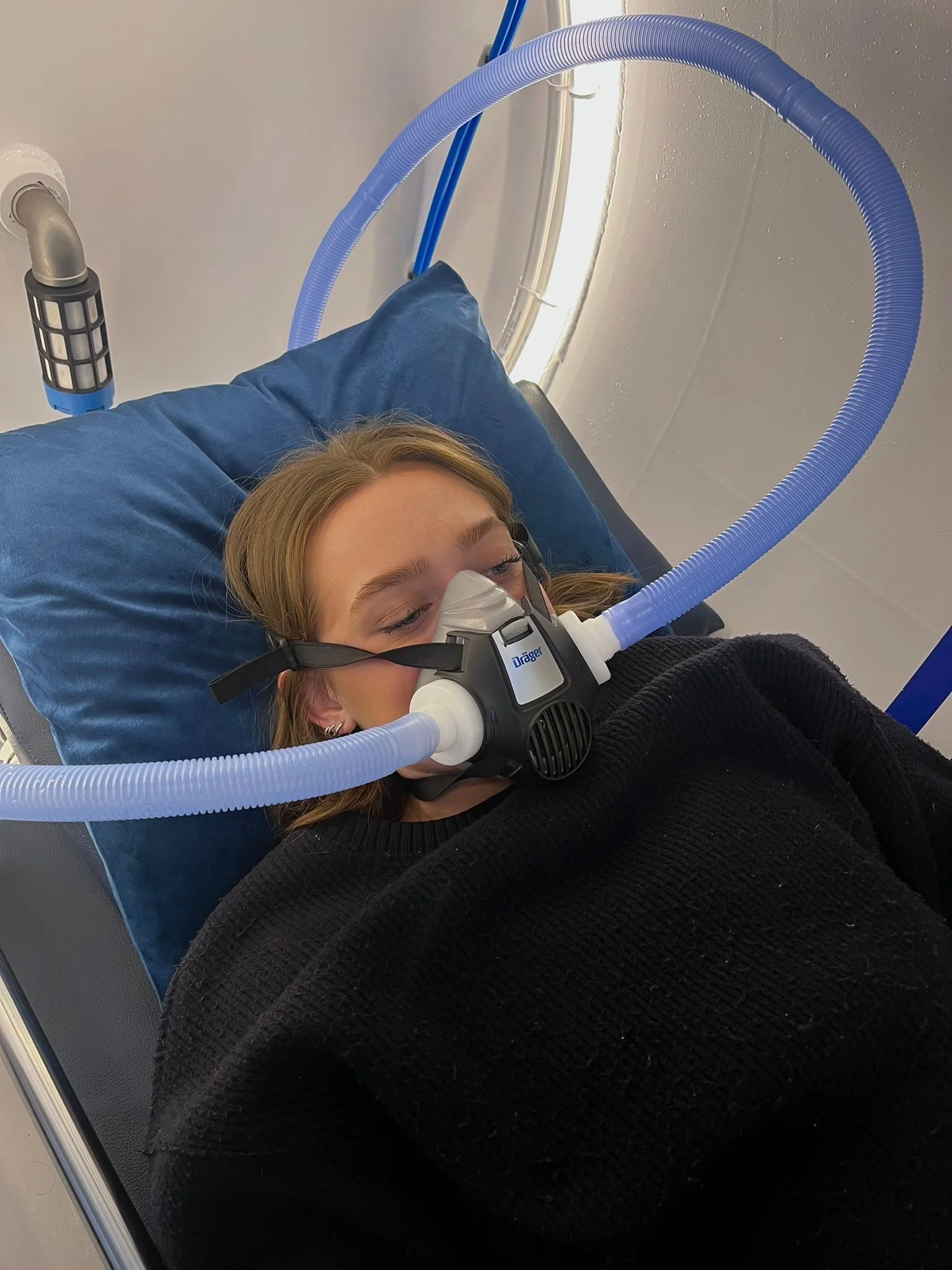
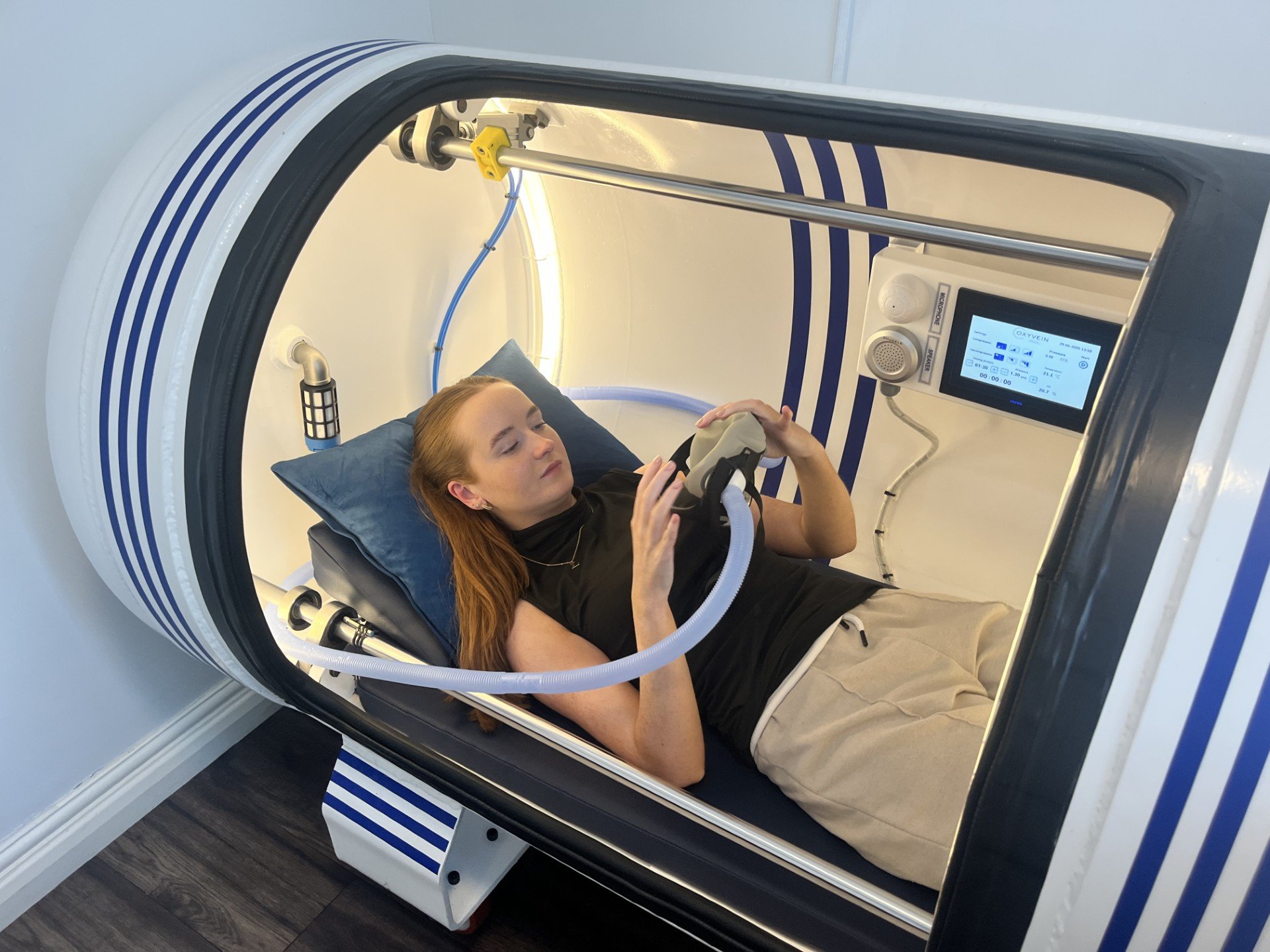
Comfortable, Restful Sessions — Each session is 30–90 minutes breathing 100% oxygen in our medical-grade hyperbaric chamber. Many clients find sessions deeply relaxing and report improved sleep quality from the early weeks of treatment.
Ongoing Review — We monitor your response throughout and adapt the plan where needed.
We are based in Newcastle and serve clients from across the North East, including Gateshead, Sunderland, Durham, Northumberland, and Teesside.
Frequently Asked Questions About HBOT and Brain Health
-
A: A randomised controlled trial of healthy adults aged over 64 found significant improvements in attention and information processing speed following HBOT, correlated with measurable increases in cerebral blood flow on MRI. HBOT also stimulates BDNF, a growth factor critical for memory formation, and neurogenesis in the hippocampus, the brain's primary memory structure.
-
A: Yes — brain fog, whether from long COVID, post-viral illness, chronic fatigue, or other causes, is closely associated with neuroinflammation, reduced cerebral blood flow, and mitochondrial dysfunction. HBOT addresses all three of these mechanisms and is one of the most common reasons clients visit OxyPlus Newcastle. A randomised controlled trial of post-COVID patients found significant cognitive improvements that held at one-year follow-up.
-
A: Clinical research has found that HBOT produces measurable changes in brain regions governing mood regulation, including the hippocampus, prefrontal cortex, and insula, and supports neurotransmitter synthesis and signalling. The post-COVID RCT found significant improvements in depression and mood symptoms alongside cognitive gains. HBOT is best understood as a complementary approach alongside any existing treatment, not a replacement.
-
A: Research protocols for cognitive and mood-related goals typically involve 20–40 sessions. Some clients notice improvements in sleep quality and mental clarity within the first few weeks, with more substantial cognitive changes emerging through the course of treatment. At OxyPlus Newcastle, we design individual protocols during your consultation.
-
A: HBOT has a well-established safety profile when conducted in a properly equipped clinic under appropriate supervision. There are some contraindications, which is why every new OxyPlus client undergoes a thorough health consultation before beginning treatment. We always recommend discussing HBOT with your GP as part of your broader care.
-
A: OxyPlus is Newcastle's specialist hyperbaric oxygen therapy clinic, offering medical-grade HBOT with thorough clinical consultations. We serve clients across Newcastle, Gateshead, Sunderland, Durham, and Northumberland. Visit oxyplus.co.uk to book your consultation.
The Brain Deserves the Same Attention as the Body
We invest in physical health — in exercise, nutrition, sleep. But the brain's health is just as physical, just as dependent on measurable biological inputs, and just as responsive to the right interventions. Oxygen is the most fundamental of those inputs, and ensuring adequate oxygen delivery to brain tissue is something HBOT does better than almost any other available approach.
The research is rigorous, the mechanisms are identified, and the effect sizes in well-conducted trials are substantial. For anyone navigating cognitive difficulties, mood challenges, or simply wanting to protect their brain health as they age, HBOT at OxyPlus — Newcastle's specialist hyperbaric oxygen therapy clinic — is worth a serious conversation.
Disclaimer: This article is for informational purposes only and does not constitute medical advice. Always consult a qualified healthcare professional before starting any new therapy. HBOT is a complementary approach and should not replace treatment prescribed by your doctor. Individual results vary.