
Hyperbaric Oxygen Therapy, Longevity, and Healthy Ageing: What the Research Suggests
What if it were possible to slow, or even partially reverse, some of the biological processes that drive ageing? For decades, this sounded like science fiction. But a growing body of peer-reviewed research is pointing to some genuinely remarkable findings: that hyperbaric oxygen therapy (HBOT) may influence some of the key cellular hallmarks of ageing in measurable ways.
At OxyPlus, our hyperbaric oxygen therapy clinic in Newcastle, longevity and healthy ageing is one of the topics our clients ask about most. This post breaks down what the current science actually says — what HBOT appears to do at a cellular level, what the human trials have found, and what this realistically means if you're considering HBOT in Newcastle or the wider North East.
We'll keep it honest. The research is genuinely exciting, but we'll also be clear about where the evidence is strong and where more work is still needed.
Why Does Ageing Happen at a Cellular Level?
To understand how HBOT might support healthy ageing, it helps to understand what ageing looks like in the body's cells. Scientists have identified several key biological hallmarks of ageing, including:
Telomere shortening — the protective caps on your chromosomes wear down with each cell division, eventually triggering cell death or dysfunction
Cellular senescence — cells that can no longer divide but refuse to die, accumulating in tissues and releasing inflammatory signals that damage surrounding cells
Mitochondrial decline — the energy-producing organelles in cells become less efficient over time
Reduced stem cell activity — the body's repair and regeneration capacity diminishes
Chronic low-grade inflammation — sometimes called "inflammageing," this persistent immune activation accelerates tissue breakdown
HBOT appears to interact with several of these processes simultaneously — which is part of what makes the longevity research so compelling.

The Landmark Telomere Study
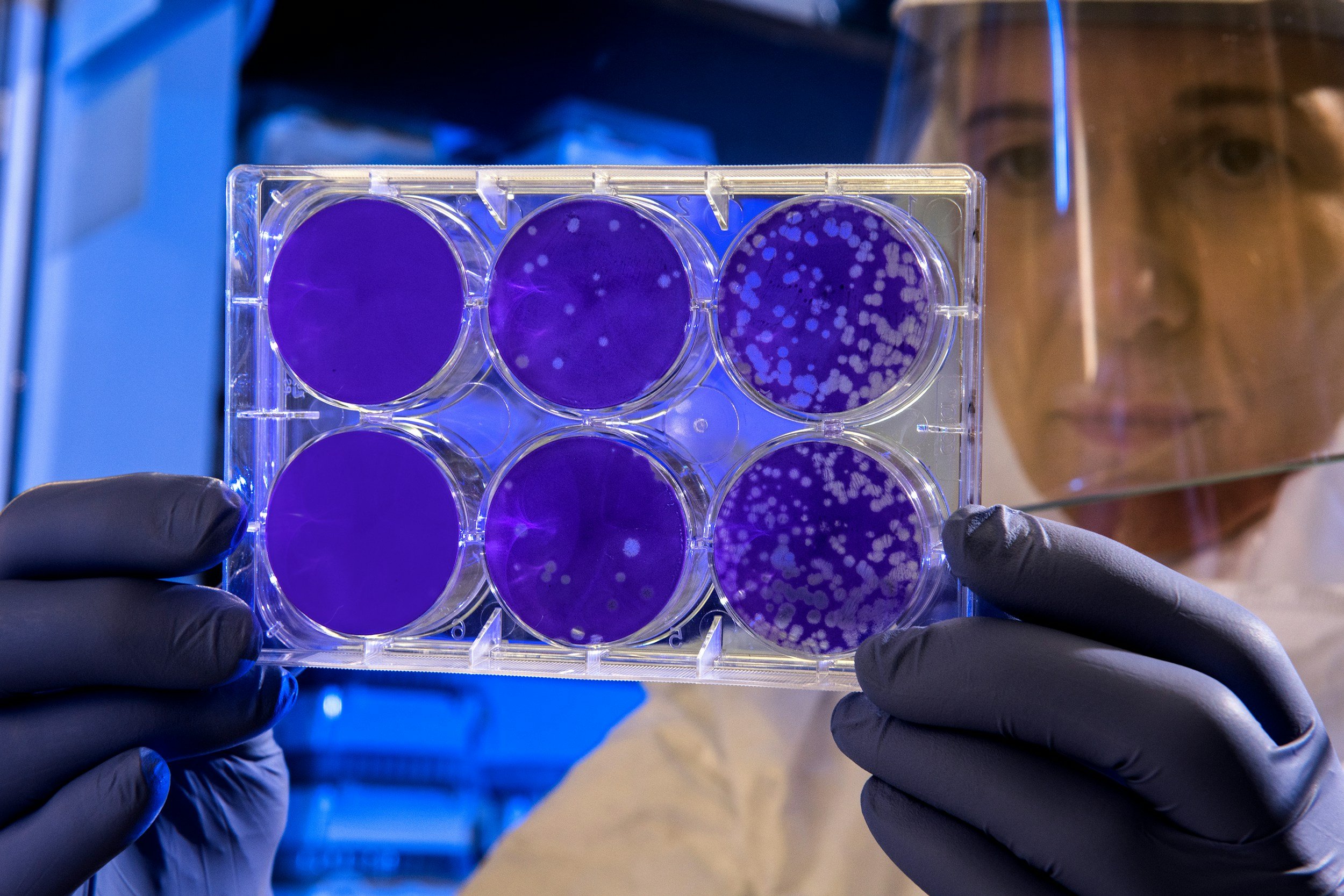
The most significant clinical evidence for HBOT's anti-ageing potential comes from a landmark prospective trial conducted at the Sagol Center for Hyperbaric Medicine and Research in Israel, published in the journal Aging in 2020.
The study enrolled 35 healthy, independently living adults aged 64 and older, who received 60 daily HBOT sessions. Blood samples were collected at baseline, after the 30th session, after the 60th session, and one to two weeks following the final session.
The results were striking:
Telomere length in T helper cells, T cytotoxic cells, natural killer cells, and B cells increased significantly — by over 20% — following HBOT. In addition, HBOT decreased the number of senescent cells by 10–37%, with T helper senescent cells being the most affected.
To put that in context: several lifestyle interventions including endurance training, diets, and supplements targeting cell metabolism and oxidative stress have reported relatively small effects of around 2–5% on telomere length. An increase of over 20% is, by comparison, a remarkable finding.
For the first time in human research, the study revealed that repeated sessions of a specific HBOT protocol led to impressive improvements in telomere length and a decrease in senescent cells.
As lead researcher Professor Shai Efrati noted, telomere shortening is considered the "Holy Grail" of the biology of ageing, with researchers around the world trying to develop pharmacological and environmental interventions that enable telomere elongation. HBOT appears to be one of the very few non-pharmacological interventions to achieve this in a controlled human trial.
How Does HBOT Affect the Ageing Process? The Key Mechanisms
1. The Hyperoxic-Hypoxic Paradox
The mechanism underlying HBOT's regenerative effects involves what scientists call the hyperoxic-hypoxic paradox. Repeated intermittent hyperoxic exposures induce an adaptive response which includes increased upregulation of antioxidant genes and production of antioxidants and scavengers that adjust to the increased ROS generation. Because the scavenger elimination half-life is significantly longer than the half-life of ROS, upon return to normal oxygen levels following repeated hyperoxic exposures, there are significantly higher levels of scavengers and increased antioxidant activity.
In plain terms: by repeatedly exposing the body to high oxygen levels and then returning to normal, HBOT tricks the body into triggering repair and regeneration processes — similar to the effects of fasting or intense exercise, but through a different mechanism.
2. Telomere Protection and Lengthening
HBOT has been shown to modulate both cell senescence and telomere shortening, indicating its effectiveness in slowing the process of ageing. HBOT aids in the maintenance of telomere length, resulting in a slowing of the ageing process.
Telomeres are the protective end-caps of chromosomes. Each time a cell divides, they get a little shorter. When they become critically short, the cell either dies or enters senescence. Anything that slows this shortening — or, as the Israeli trial suggests, may even lengthen them — is of enormous interest in longevity research.
3. Clearing Senescent Cells
Senescent cells — sometimes called "zombie cells" — accumulate with age. There is either increased accumulation of senescent cells or decreased clearance due to a weakened immune system in ageing individuals. The accumulation of senescent cells further contributes to the process of ageing.
HBOT appears to act as a senolytic — a term for interventions that selectively clear senescent cells. The study indicates that HBOT can induce significant senolytic effects, including significant increased telomere length and clearance of senescent cells in ageing populations.
4. Stem Cell Activation and Tissue Regeneration
On the cellular level, HBOT can induce the expression of HIF-1α, VEGF, and sirtuin (SIRT), stem cell proliferation, mitochondrial biogenesis, angiogenesis, and neurogenesis.
These are some of the most important processes in tissue maintenance and repair. VEGF (vascular endothelial growth factor) stimulates the growth of new blood vessels. Sirtuin activation is associated with longevity in multiple species. Stem cell proliferation supports the body's ability to replace damaged cells. HBOT appears to activate all of these through increased tissue oxygenation.
5. Mitochondrial Biogenesis
One of the less-discussed but significant mechanisms is HBOT's effect on mitochondria — the energy-producing organelles within cells. Mitochondrial decline is a central feature of ageing, contributing to fatigue, cognitive decline, and reduced physical capacity. Research suggests that HBOT stimulates mitochondrial biogenesis — essentially encouraging the body to produce more mitochondria and improve the efficiency of existing ones.
6. Neurogenesis and Brain Health
A growing body of research supports HBOT's ability to improve cognitive performance, enhance neuroplasticity, and, in some cases, reverse aspects of age-related decline.
Research has found that HBOT can reduce neuroinflammation, improve cerebral blood flow, and support the growth of new neurons — all of which are relevant to cognitive function as we age. HBOT can attenuate neuroinflammatory processes by reducing astrocyte and microglia activation in different animal models including ageing, Alzheimer's disease, and brain injury.

Real-World Attention: From Research to Practice
The longevity research community has taken notice. Biohacker and entrepreneur Bryan Johnson — who has become well known for his rigorous, data-driven approach to anti-ageing — incorporated HBOT into his "Blueprint" protocol. After 60 consistent HBOT sessions, Bryan Johnson reported that his systemic inflammation (hsCRP) dropped to undetectable levels. A second biomarker test placed him in the lowest 1% for inflammation — a rare outcome even among top-performing biohackers.
While individual case studies should always be interpreted carefully, the fact that serious longevity researchers are adding HBOT to evidence-based protocols reflects the growing scientific interest in this therapy beyond traditional clinical applications.
What a 2025 Review Found
A paper published in Stem Cells and Regenerative Medicine in 2025 emphasised HBOT's role in cellular repair, inflammation reduction, and cognitive enhancement, and argued for the inclusion of HBOT in regenerative longevity strategies, exploring its synergistic potential with interventions like stem cell therapy, senolytics, and precision nutrition.
This positions HBOT not as a standalone silver bullet, but as a potentially powerful component within a broader healthy ageing approach — one that works alongside good nutrition, exercise, sleep, and other evidence-based interventions.
What This Means in Practice: HBOT for Longevity in Newcastle
At OxyPlus in Newcastle, we see clients who are interested in HBOT for healthy ageing across a wide spectrum — from those in their 40s who want to be proactive about their long-term health, to those in their 60s and 70s who are looking to maintain energy, cognitive sharpness, and physical resilience.
Based on the current research, here's what HBOT may realistically offer as part of a longevity-focused approach:
Supporting telomere maintenance and potentially slowing cellular ageing
Reducing the accumulation of senescent cells
Improving mitochondrial function and energy production
Supporting cognitive function and brain blood flow
Reducing chronic, low-grade inflammation (sometimes called "inflammageing")
Promoting angiogenesis (the formation of new blood vessels) which is critical for tissue health as we age
Stimulating stem cell activity to support the body's natural repair mechanisms
Important Caveats: What the Science Can and Cannot Tell Us
It would be dishonest not to note the limitations of the current research:
Study sizes are still relatively small. The landmark Israeli telomere trial enrolled 35 participants. While the results are striking, larger, randomised controlled trials are needed to confirm these findings at scale.
Most longevity research on HBOT is still early-stage. We have strong mechanistic evidence and some compelling clinical data, but we don't yet have long-term follow-up studies tracking health outcomes over decades.
HBOT is not a replacement for foundational health behaviours. Exercise, nutrition, sleep quality, stress management, and not smoking all have far more evidence behind them for longevity than HBOT does. HBOT is best viewed as a potentially powerful addition to an already solid foundation.
Results vary between individuals. Not everyone will respond in the same way or to the same degree.
At OxyPlus, we're transparent about all of this. We don't overstate what HBOT can do, and we always recommend a thorough consultation before beginning any course of treatment.
HBOT for Healthy Ageing in Newcastle: What to Expect at OxyPlus
If you're based in Newcastle or the wider North East — including Gateshead, Sunderland, Durham, or Northumberland — and are interested in exploring HBOT as part of a healthy ageing strategy, here's what working with OxyPlus looks like:
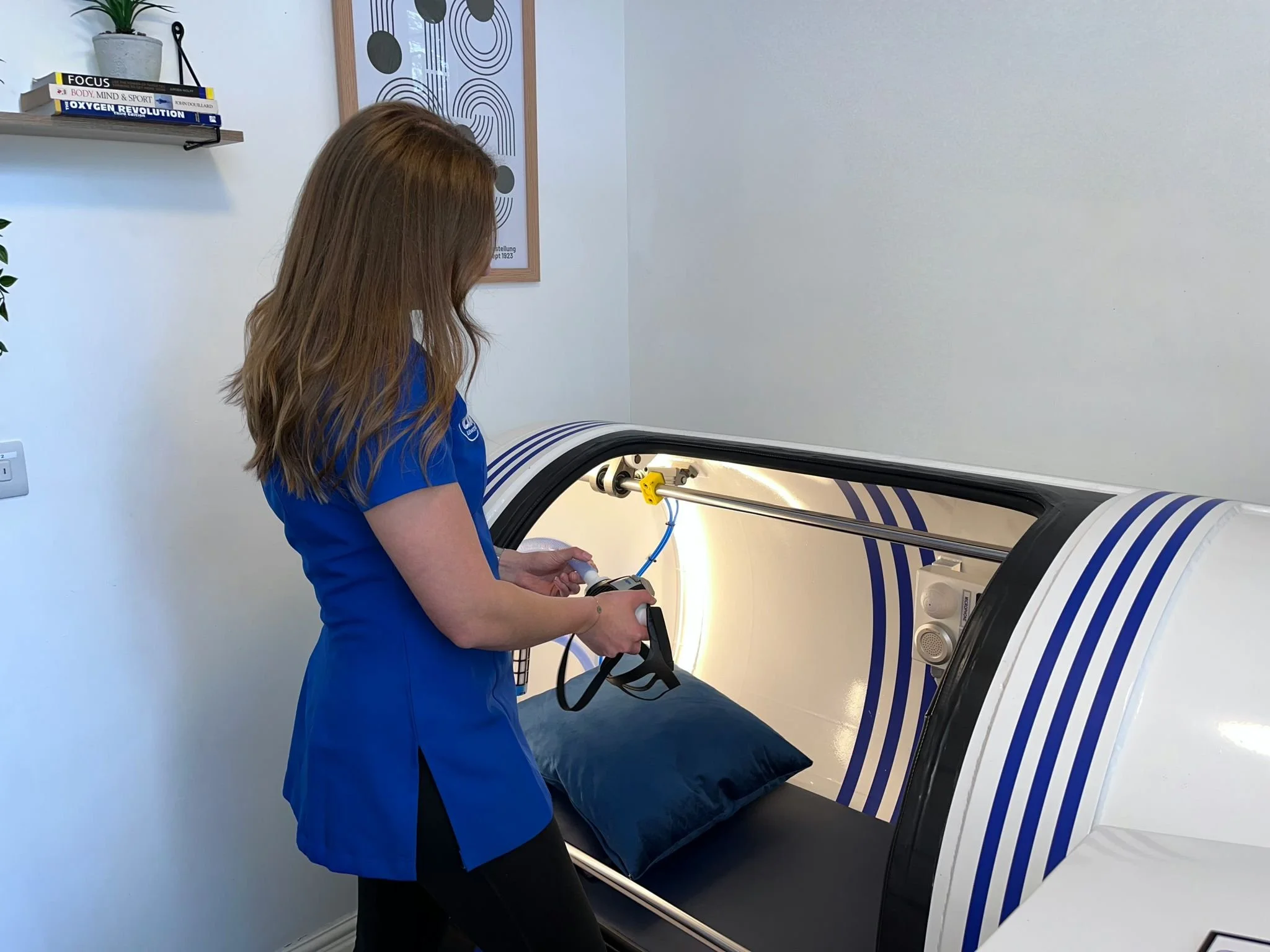
Initial Consultation — We discuss your health history, current lifestyle, goals, and any relevant conditions. This helps us determine whether HBOT is appropriate and design a suitable protocol.
Personalised Treatment Plan — For longevity-focused HBOT, research protocols typically involve between 40 and 60 sessions. We'll recommend frequency and duration based on your individual circumstances.
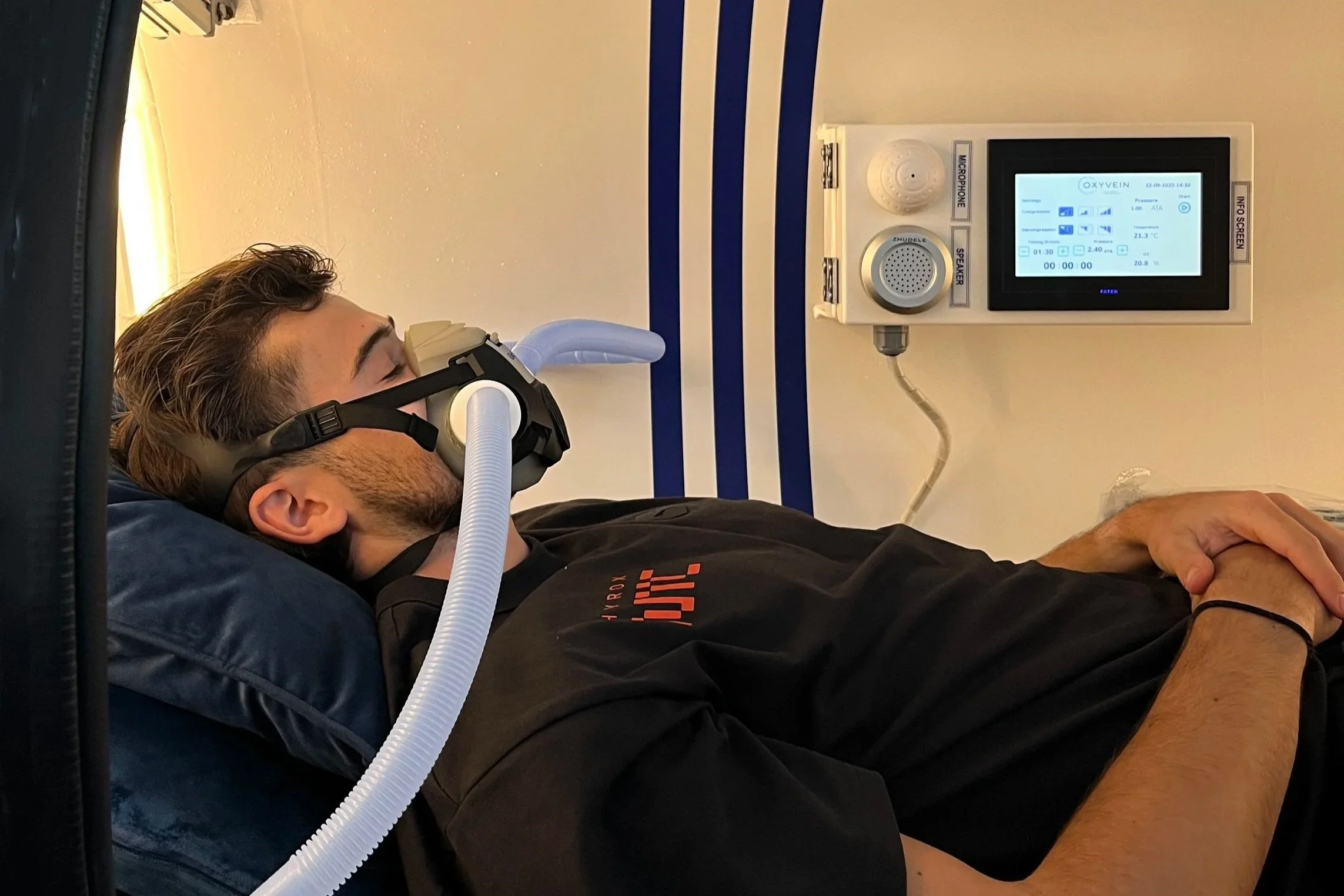
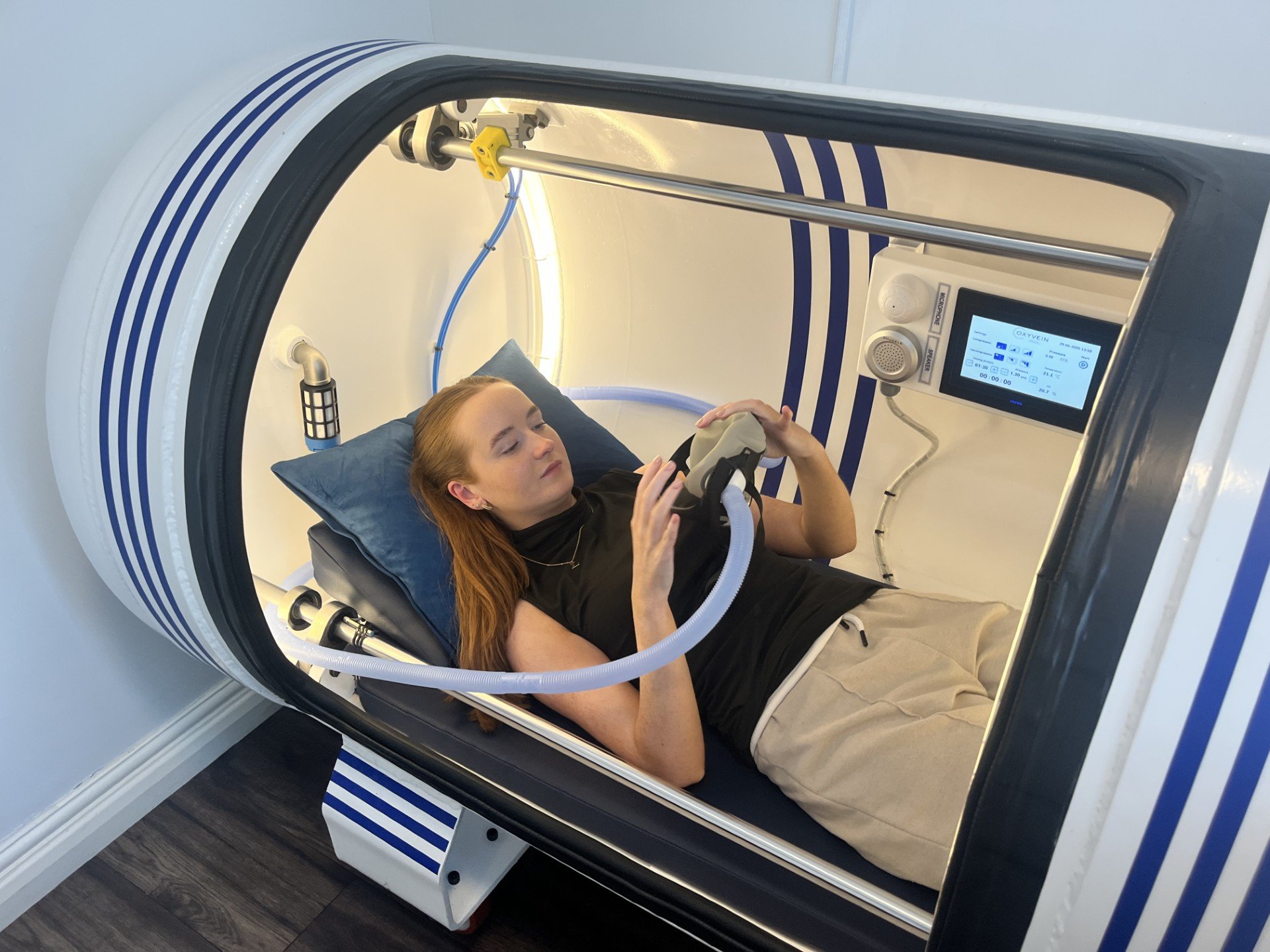
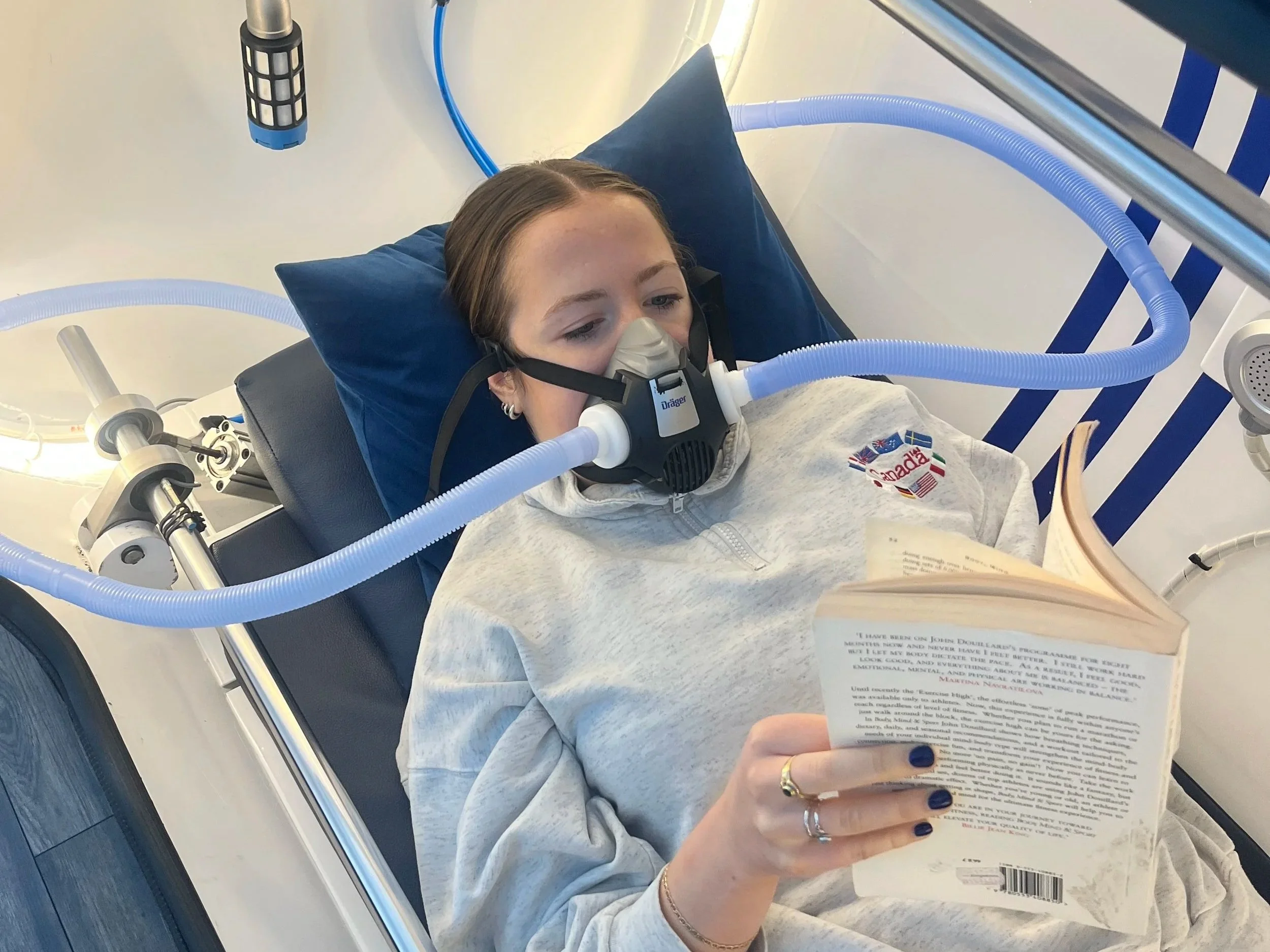
Medical-Grade Sessions — Each session takes place in our clinical hyperbaric chamber, breathing 100% oxygen, typically for 60–90 minutes. Most clients find the sessions relaxing and use the time to rest, listen to podcasts, or simply decompress.
Ongoing Review — We monitor your progress and can adapt the plan as needed.
Frequently Asked Questions About HBOT and Ageing
Q: Can hyperbaric oxygen therapy reverse ageing? A: The research suggests HBOT can influence some of the biological markers associated with ageing — including increasing telomere length and clearing senescent cells — in measurable ways. "Reversing ageing" is a complex claim, but the evidence that HBOT can positively affect cellular ageing hallmarks is genuine and published in peer-reviewed journals.
Q: How many HBOT sessions are needed for anti-ageing benefits? A: The landmark telomere study used a protocol of 60 daily sessions. At OxyPlus Newcastle, we'll discuss a personalised plan during your consultation. Many clients begin to notice subjective benefits — improved energy, sleep, and mental clarity — within the first few weeks.
Q: Is HBOT safe for older adults? A: HBOT has a strong safety record when conducted in a properly equipped clinic under appropriate supervision. The Israeli telomere study enrolled adults aged 64 and older, all of whom tolerated the treatment well. A thorough health consultation before beginning is essential, and we conduct one with every new OxyPlus client.
Q: Can HBOT help with cognitive decline? A: Research supports HBOT's potential to improve cognitive function in healthy ageing adults through improved cerebral blood flow, reduced neuroinflammation, and neurogenesis. It has also been studied in the context of age-related cognitive decline and Alzheimer's disease animal models, with promising results.
Q: Where can I get HBOT for longevity in Newcastle? A: OxyPlus is Newcastle's specialist HBOT clinic, offering medical-grade hyperbaric oxygen therapy with a thorough clinical consultation process. We work with clients across Newcastle, Gateshead, Sunderland, Durham, and Northumberland. Visit oxyplus.co.uk to book your initial consultation.
Q: How does HBOT compare to other longevity interventions? A: Most lifestyle interventions — exercise, fasting, dietary supplements — show effects of around 2–5% on telomere length. The Israeli HBOT trial found increases of over 20%. While more research is needed, this positions HBOT as one of the more potent non-pharmacological influences on cellular ageing markers currently studied.
Disclaimer: This article is for informational purposes only and does not constitute medical advice. Always consult a qualified healthcare professional before starting any new therapy. HBOT is a complementary approach and should not replace treatment prescribed by your doctor. The longevity research cited is promising but still developing; individual results will vary.